
 EN
EN
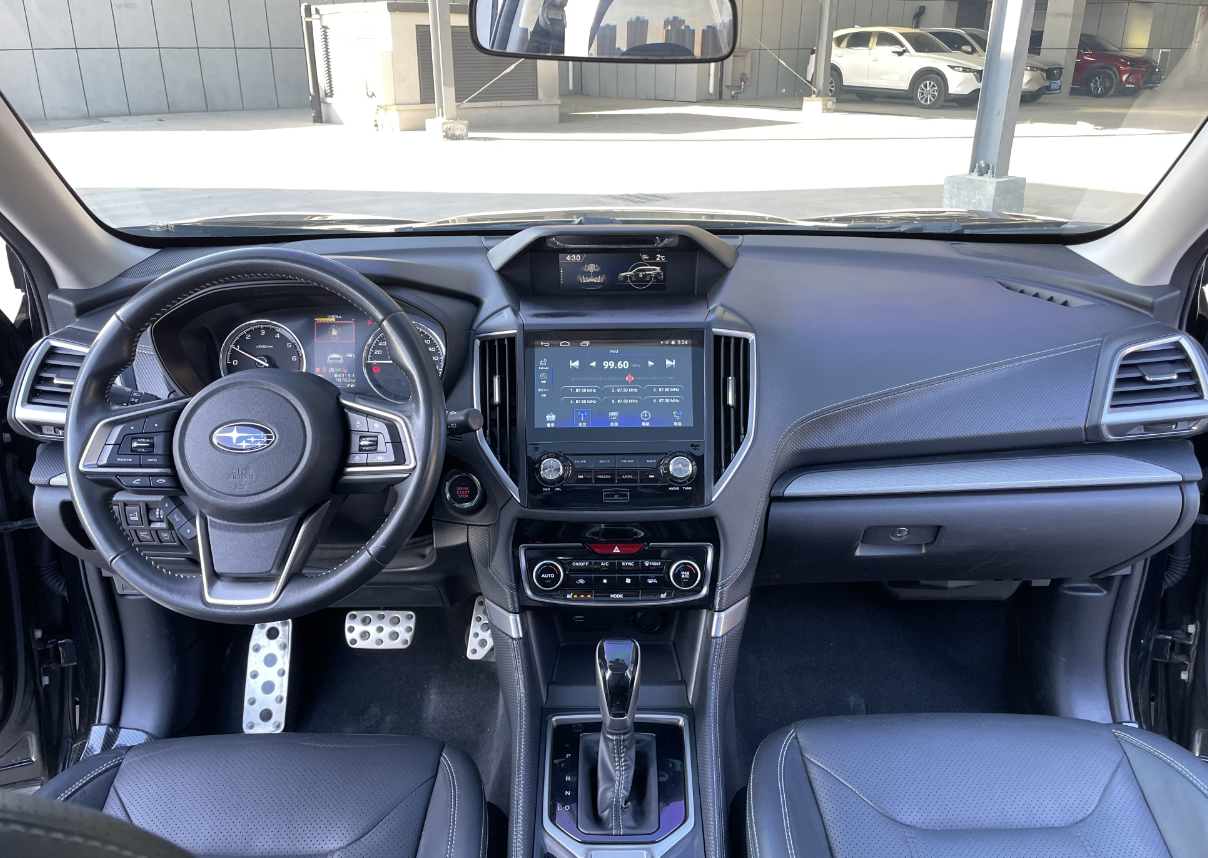
Top Fuel-Efficient Used Petrol Cars (Pre-2020)
Why Non-Hybrid Petrol Engines Still Achieve Strong MPG
Because of innovations in direct fuel injection, turbocharging, and variable valve timing, modern, pre-2020, non-hybrid petrol engines create fuel-efficient designs. Each of those innovations improves the engine's in-cylinder combustion. This innovation leads to 30-40 MPG fuel efficiency without hybrid support. With regular maintenance, including fuel and oil changes, air filter changes, and tenting spark plugs, those gains remain even in older cars.
Key Technologies: Downsized Engines, CVTs, and Lightweight Design
There have been three major innovations proven to improve the efficiency of petrol engines.
Downsized Turbocharged Engines: Turbocharged engines of 1.0 to 1.5 liters can offer the same output of larger, naturally aspirated engines, while also saving fuel.
Continuously Variable Transmissions (CVTs): CVTs can keep an engine within a reliable range of revolutions per minute. This leads to an increased efficiency of city-driving the most.
Lightweight Materials: A reduction in weight of 100 kilograms, can lead to a reduction in fuel consumption by several different organizations.
All three have allowed pre-2020 petrol models to come close to those of hybrid engine efficiency ratings.
Real-World MPG Comparison: Compact and Mid-Size Used Petrol Cars

Honda Civic (2016–2019): 38–42 MPG Combined in Daily Use
Among petrol non-hybrids, there is no match for the 2016 − 2019 Honda Civic in the MPG perilous war: the Civic achieves 38 − 42 MPG combined. With the CVT and the turbocharged 1.5L engine, they allow drivers to maintain an efficient RPM. The owner-reported stats from Fuelly and others suggest that 85% of people remain in the ± 2 MPG range of the EPA estimates, and they also remain in-range of the estimates if they maintain the eco mode and tire inflation. Additionally, the Civic's chassis is also lightweight, weighing in at under 2,900 lbs. Compared to contemporaries of the Civic, the Civic has the advantage, as the Civic has the lightweight chassis while the contemporaries have heavy chassis or less aerodynamically refined designs.
Case Studies for the Corolla and the Mazda3 (Real World MPG, Tuning, Automatic Transmission)
In the real world, the 2017-2019 Toytoa Corolla with the CVT gets an estimated 36 − 40 MPG combined. That is a 4 MPG improvement versus the 4-speed automatic variant. The Mazda3’s SkyActive-G engine has an emphasis on compression and torque-focused tuning, and the results vary: manual versions average 33 MPG combined, while automatics reach 35 MPG due to the optimization of the gear ratios and the logic of shifting. Other characteristics include the following:
Drivetrain compression variance
Aerodynamic drag, the Corolla’s Cd of .28 vs. and Mazda3’s slightly less than .26.
Lastly, it is common for eco mode to reduce fuel consumption in an urban, stop-go environment.
Inspection of the transmission should include a fluid level check and an ECU diagnostic, as both impact range variability economically.
Verifying and Improving Fuel Efficiency of Used Petrol Cars
USA label fuel economy tests vs. MPG records of used petrol cars
For controlled used petrol car tests, EPA fuel economy estimates are given. Unfortunately, controlled estimations can’t be verified when real fuel economy results are lacking. Results from Fuelly show that pre-2020 petrol cars yield 10-15% real results compared to EPA estimates. Costs due to age of the car, neglect of car, poor upkeep, and hard use will all lead to divergence of the estimates. Because of these reasons, a 40 MPG fuel economy rated by the EPA and the control tests may yield only 34-36 MPG of fuel economy. Look for used petrol cars with homespun evidence of car use that fall within a 10% gap of the EPA estimates. This is evidence of good and regular upkeep of the car. Don’t take the odometer of the car as 100% factual. Check the records of service and use diagnostic tests of the car.
Eco trim packages, upkeep records of used petrol cars, and operation
Three factors that fuel economy predictors are used petrol cars is:
Eco trim packages: A type of factory efficiency, Eco trim packages with low-rolling-resistance could yield an efficiency surge of 5-7% over a road trip.
Upkeep: Of the upkeep records that are available, the ol’ neglected system is the biggest trouble of them all, for an air filter that is neglected can reduce fuel economy by as much as 10%, and of the neglected ol’ systems of the car a misfire of the system, can result in a 30% increase in fuel economy. When asked of upkeep records don't forgot the receipt for cleaning of the fuel injection, the receipt for the change of the E85 fuel oxygen interchange sensor, and of course the EPA fuel compliant ol’ records.
Operation: For the records of the operation of the vehicle, an aggressive spurting and braking of the engine could reduce fuel economy by 20-40%.
Quick and simple imposed upkeep, results in PCV valves yanked out of the car and checked for a 25 die
If a faulty PCV valve checked is replaced, and a car is checked for tire pressure at the car owner’s die team, the car should pre-2020 petrol be.
Most petrol motor cars should yield pre-2020 of die date.
FAQ
What makes engine technology so important for the fuel efficiency of non-hybrid petrol engines?
Advanced technologies of internal combustion engine design like turbocharging, direct fuel injection, and variable valve timing, can maximize combustion and engine performance, enabling the petrol engines to achieve great fuel efficiency.
What do CVTs do to improve fuel efficiency?
Continuously variable transmissions (CVTs) tend to keep the engine in the ideal RPM range more so than do traditional, fixed-gear transmissions, and do so much more in the stop-and-go of city driving.
What would you say is the most fuel efficient petrol engine in the compact car segment before the year 2020?
The petrol engine in the 2016-2019 Honda Civic gets about 42 MPG combined and well over 38 MPG count just due to the engine being 1.5L and turbocharged.
Are the EPA fuel economy ratings trustworthy?
The EPA’s estimates assume the car is driven in controlled conditions, but in the real world, most petrol engines (pre-2020) get about 10-15% worse MPG than is estimated.
What kind of things can you do for the maintenance of a used petrol engine that would improve its fuel economy?
Routine, basic maintenance (changing things like the air filter, the spark plugs, and the oxygen sensors) can keep the car (and engine) in good condition to help maximize fuel economy. Also good driving and tire maintenance can help with fuel economy a lot.