
 EN
EN
Cheap Used Cars from China: Why They're Elusive and Unappealing
Domestic Depreciation vs Exports: The Supply Dilemma
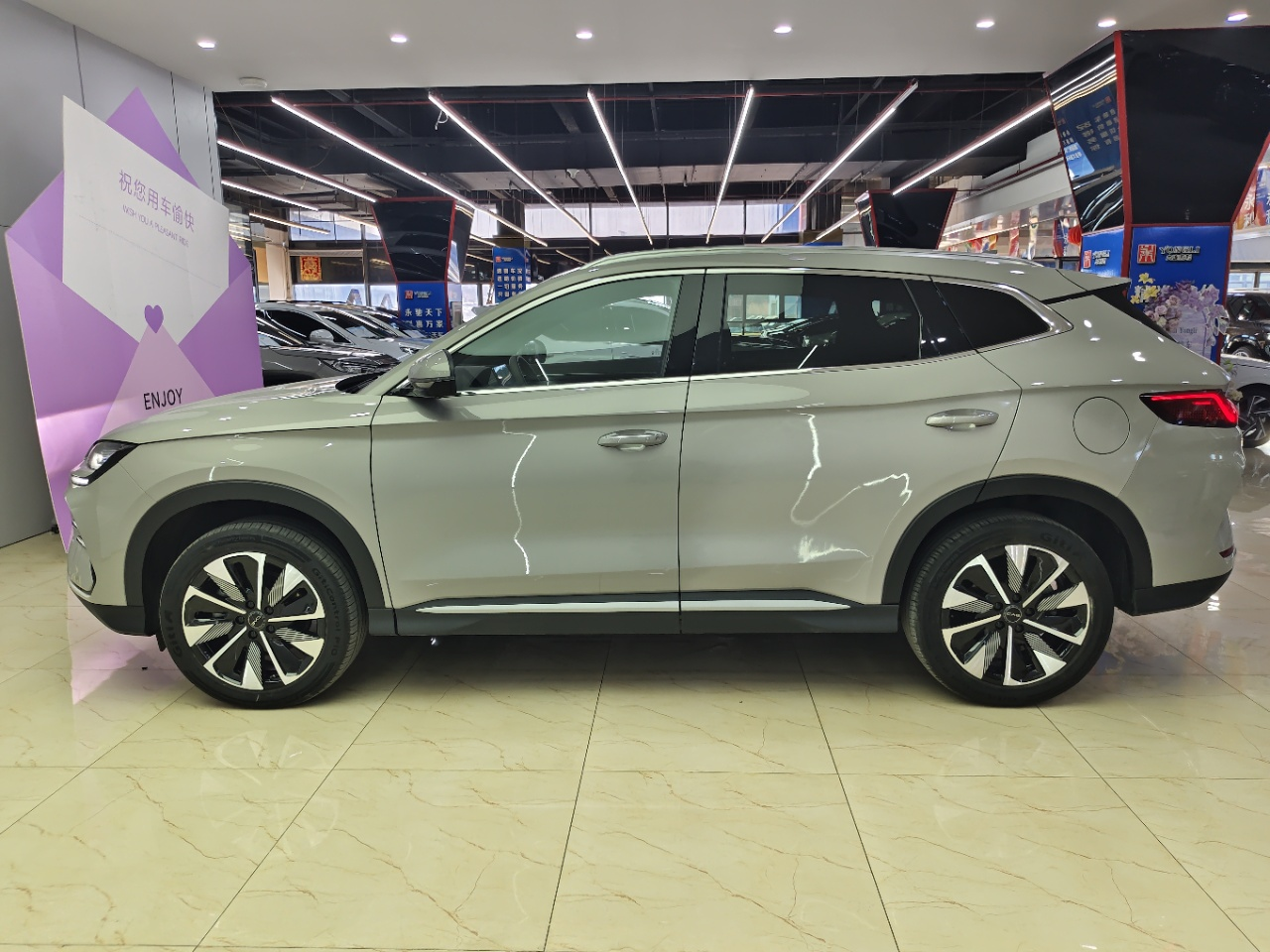
Within China, domestic depreciation creates a quick decline in value for used vehicles. However, this situation rarely generates a corresponding supply of export-ready vehicles. The rapid increase of global demand for used vehicles has led to a renewed competition for high-quality, later model vehicles. Potential customers in China have prioritized cost. As a result, they have purchased and absorbed older, high mileage vehicles. Export hubs have placed considerable restrictions on mileage and age of vehicles including a mandate, for eligible vehicles, to be no more than five years old and to be from high tier manufacturers. This has created a considerable structural supply gap. The supply of “cheap” vehicles is low or comprised of high mileage or damaged vehicles thereby undermining fleet reliability and long term value.
Savings are Eliminated by Taxes, Age Limits & Compliance Overheads
The hope of finding “cheap used cars” from China is overshadowed by the numerous hidden costs. The refurbishment cost post purchase to meet the international safety and emissions standards can run in excess of $1,000 for each vehicle. Importers are burdened with three categories of associated costs:
Age restrictions: More than half of the countries approved for importing vehicles are considered ‘young vehicle’ countries’ with age limits on imported used vehicles (i.e., they will only permit the imports of vehicles under five years of age).
Compliance Overheads: Each vehicle will be subjected to a cycle of re-certification including emissions testing and CCC renewed inspection which will cost anywhere from $300 to $800.
Logistics Complexity: The added port fees, customs bonds, documentation, and inland transport will increase the total landed costs by 15 to 25%.
The assumption of saving costs on a $4,000 vehicle is misguided. With all of the mandatory repairs, certification, and compliance upgrades the total cost will likely exceed $7,000 before the first mile is driven.
Obstacles in Bulk Sourcing: Legislative, Certification, and Market Barriers
Market Barriers: Minimum Order Quantities and Insufficient Export Locations (Tianjin, Guangzhou, Shenzhen)
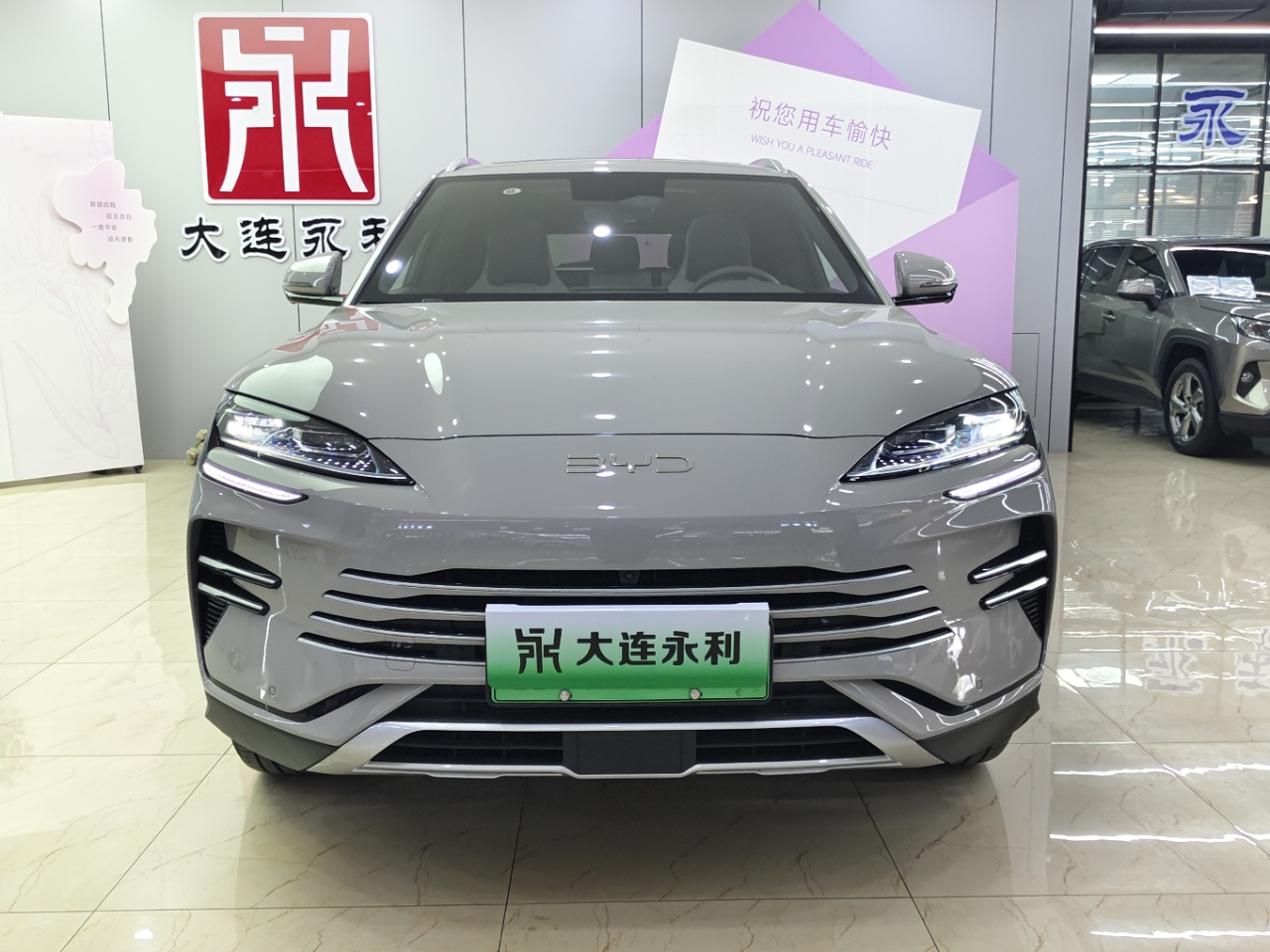
The current state of bulk sourcing presents numerous operational and logistical barriers, the most significant of which are imposed by licensed exporters who mandate minimum order quantities (MOQs) ranging from 50–100 vehicles per shipment. These restrictive requirements effectively exclude businesses with smaller fleets, such as independent dealers. Compounding the issue, the People’s Republic of China (PRC) limits the export of used vehicles to three government-approved locations – Tianjin, Guangzhou, and Shenzhen – which forces buyers to incur significant inland transportation costs. These costs can reach as high as $800 to $1,200 per vehicle prior to incurring costs for international freight. Additionally, the limited port functionalities and infrastructures create further bottlenecks, leading to increased wait times for shipping. As of 2023, the Ministry of Commerce reported average wait times of 3–5 weeks during peak export seasons.
Age and Emission Restrictions on Exportable Used Cars
The current export regulations imposed by the PRC create extremely rigid parameters, which ultimately eliminates the majority of vehicles exported. In order to be considered for export, all vehicles must: 1) be manufactured within the previous five (5) years (per 2022 rules from the General Administration of Customs), 2) meet or exceed Euro 5 emission standards, and 3) successful renewals of the China Compulsory Certification (CCC) requirements. Due to these requirements, industry analysts such as those from Auto Export Intelligence, estimate that over 75% of the inventory is rendered ineligible. Additionally, units designated for export are required to undergo emissions testing (which can be as high as $300 to $500/unit) and frequently require the retrofitting of catalytic converters to meet the standards of the European Union (EU) or the Association of Southeast Asian Nations (ASEAN). Unmet standards and certification gaps (especially missing homologation and/or non-export spec models) cause units to be rejected by the port of destination, which results in the forfeiture of the shipment. Customs seizure reports from 2023 show that such non-compliance adversely impacted 12% of the shipment’s total value.
Ethical Sourcing: Examining Suppliers and Analyzing the Real Landed Cost.
Examining Trusted Exporters, Auction Centers, and Identifying Gray Market Intermediaries
Start with authorized avenues, specifically government-sanctioned auction centers located in export zones such as Tianjin and Guangzhou. Confirm the legitimacy of exporters through China’s Ministry of Commerce public registry and avoid using other substandard third-party registries. Dismiss gray market intermediaries that require large upfront payments and do not allow onsite inspections. Vague ownership histories, rapid wire transfer requests, inconsistent and undocumented VINs, and unrecorded service histories are warning signs. Legitimate suppliers will provide transaction histories and will accept escrow payments.
Third Party Inspections and Realistic Breakdown of Landed Cost
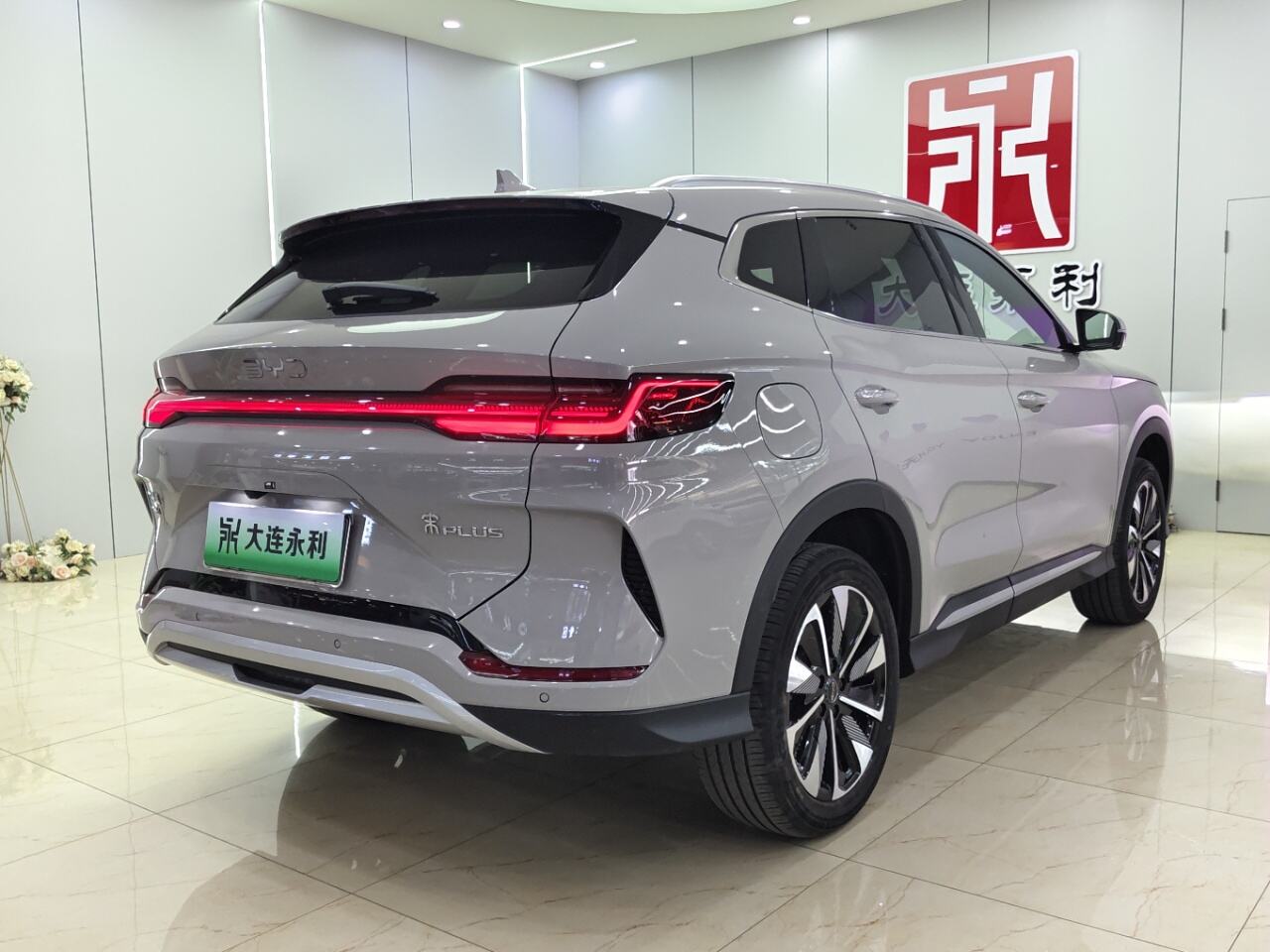
It is nonnegotiable that inspections be carried out independently and in advance of shipment. Inspections should consider factors such as integrity, flood and accident history, and verified odometer—by an ISO-certified regional inspector. When assessing true landed cost, consider more than just the purchase price. Cost of refurbishment ($500-$2,000 in each unit); export duties of 15-30%, containerized ocean freight ($2,000-$4,000 for 20ft unit); emission related modifications; and port handling and documentation fees ($200-$500); must also be included.
In each unit. These files will be fully landed costing the company 40-60% of the price. For example, a $5,000 vehicle may cost $8,300 fully landed creating an opportunity for sourcing success through disciplined due diligence rather than focusing solely on low prices.
Frequently Asked Questions
Why is it difficult to find ‘cheap used cars’ from China?
It is difficult to find ‘cheap used cars’ from China due to a combination of a high demand for newer cars, strict export regulations, and a limited supply of export-ready vehicles. Many older cars that are used are in high demand, and as a result are not exporting out of China. Even high mileage cars in China are absorbed quickly due to their affordability.
What costs are involved with importing used cars from China that may not be obvious?
Refurbishment costs to meet safety and emissions standards, age restrictions, compliance, customs, logistics, and other import-related costs can all add to the costs of the vehicle.
What can be done to guarantee responsible sourcing for used vehicles in China?
For responsible and cost-effective sourcing, use authenticated government auctions, verify the exporters’ legitimacy, bypass gray-market middlemen, secure third-party pre-shipment inspection, and perform a comprehensive landed cost analysis.