 EN
EN
Click to Enable

Home > Products > Toyota Car
1. Overview
As a world-renowned provider of mobility solutions, Toyota has always adhered to the brand philosophy of "making every journey trustworthy and reassuring." Guided by the core principle of prioritizing technological maturity and user value, Toyota has built a comprehensive product portfolio covering sedans, SUVs, hybrid vehicles, and new energy models. From economical city commuters to rugged off-road vehicles, from time-tested hybrid technology with over two decades of development to forward-looking hydrogen energy powertrains, Toyota has earned a global reputation as a symbol of "reliability, simplicity, and efficiency," supported by the trust of more than 450 million users worldwide. Leveraging its global production system and continuously evolving innovative technologies, Toyota is not only committed to meeting the mobility needs of users in different regions but also striving to lead the future mobility society through green low-carbon technologies and intelligent safety configurations, delivering more valuable travel experiences to global users.
2. Core Advantages
2.1 Unmatched Reliability and Durability, Reducing Long-Term Ownership Costs
Reliability is deeply ingrained in Toyota's core competitiveness, validated by global market data. An analysis by U.S. research firm iSeeCars on 2 million vehicles over 20 years old showed that Toyota accounted for 6 out of the top 10 most durable models, with the Sequoia leading the list with a potential lifespan of 477,000 kilometers, followed by the Land Cruiser and Tundra. In J.D. Power's 2024 Vehicle Dependability Study, Toyota ranked first among non-luxury brands with 147 problems per 100 vehicles, significantly lower than the industry average of 190. This durability directly translates to cost advantages for users: Toyota models maintain a 10-year resale value of 31%, far exceeding competitors in the same class, and maintenance costs are 18% lower than the industry average. Whether it's the Corolla, which has logged 800,000 kilometers without engine replacement in high-frequency ride-hailing scenarios, or off-road models that hold over 70% market share in harsh road conditions in Africa and the Middle East, they all confirm Toyota's reputation for "passing down one car for three generations."
2.2 Benchmark Hybrid Technology, Balancing Energy Efficiency and Practicality
Toyota is a pioneer and leader in global hybrid technology. With 26 years of in-depth research and development, it has built a strong patent barrier, owning approximately 100,000 new energy vehicle patents worldwide, including 23,740 core hybrid patents. Its original THS (Toyota Hybrid System) achieves seamless collaboration between the engine and electric motor through a planetary gear set: pure electric drive for zero fuel consumption during low-speed startup, coordinated output from the engine and motor during acceleration and high-speed driving to avoid the engine's high-load and low-efficiency range, and kinetic energy recovery to the battery during deceleration and braking. Combined with an Atkinson cycle engine with a thermal efficiency of 41%, it achieves extreme energy savings. Taking the Prius as an example, the fuel consumption can be as low as 4L per 100 kilometers in urban conditions. Moreover, the hybrid battery always maintains an optimal working range of 20%-80% through "shallow charging" technology, with an attenuation rate of less than 15% after 850,000 kilometers. In 2019, Toyota even opened up nearly 24,000 hybrid-related patents for free, promoting the electrification process of the industry and fully demonstrating its technological confidence and industry responsibility.
2.3 Full-Scenario Product Matrix, Adapting to Diverse Mobility Needs
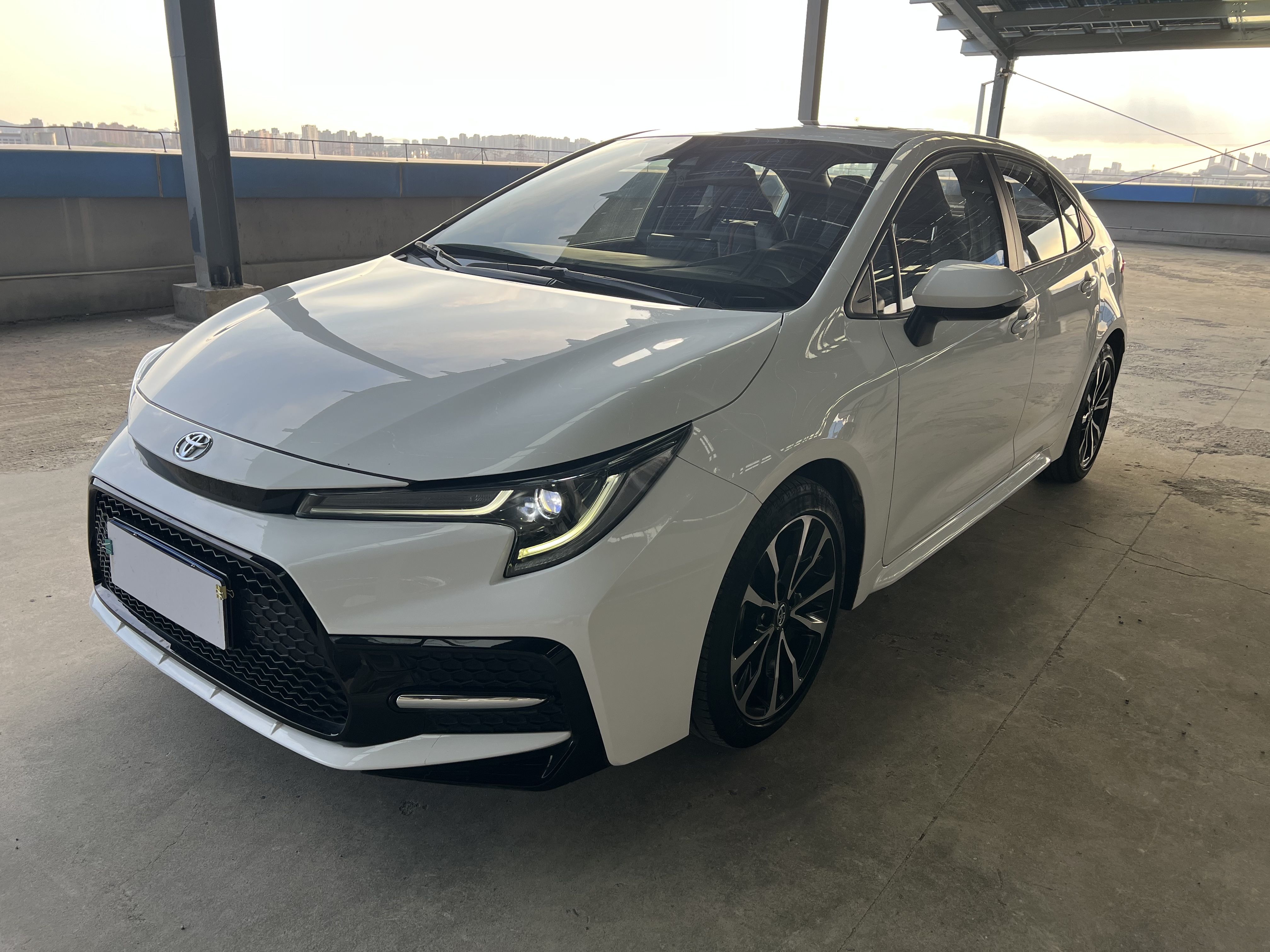
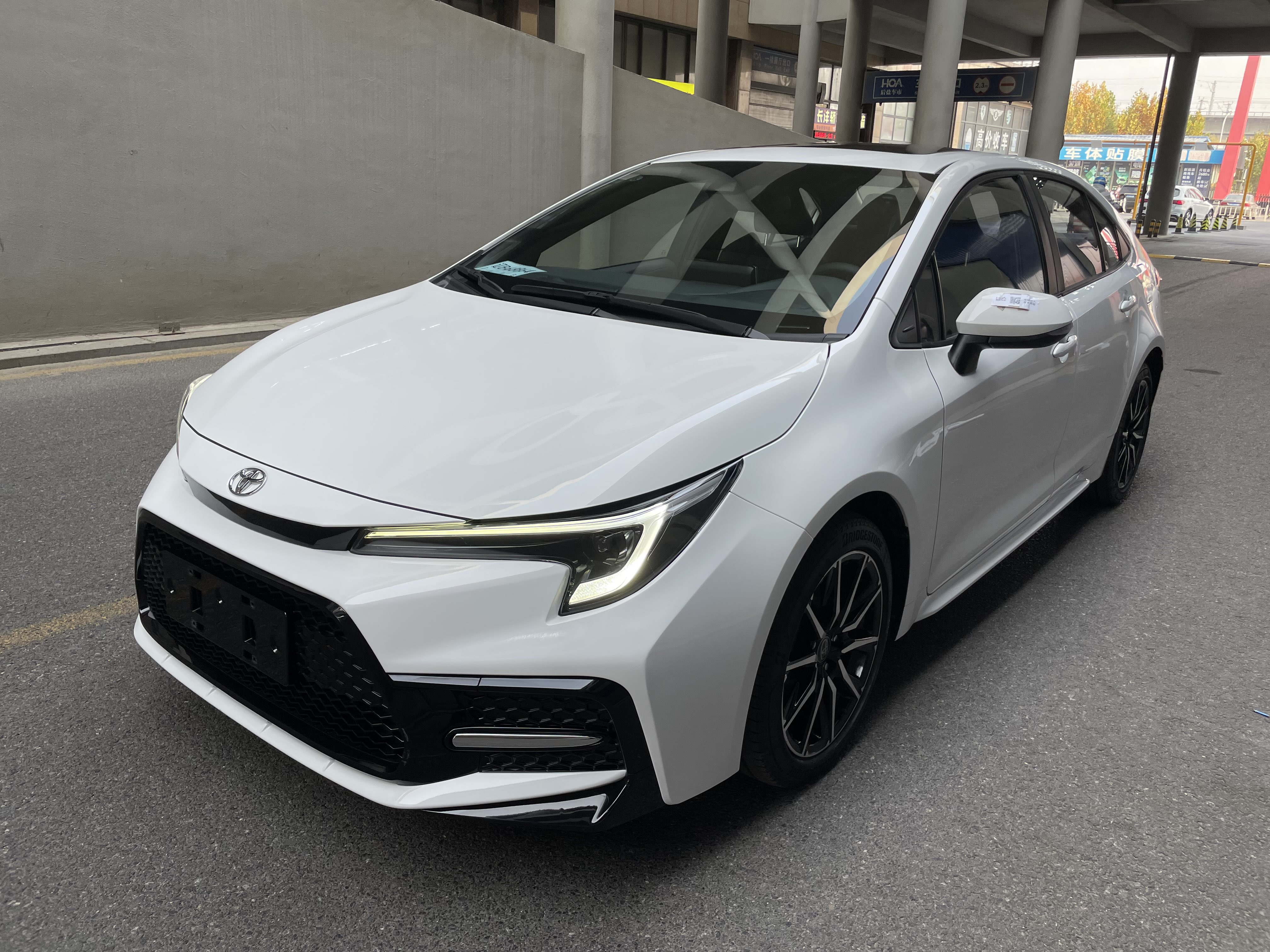
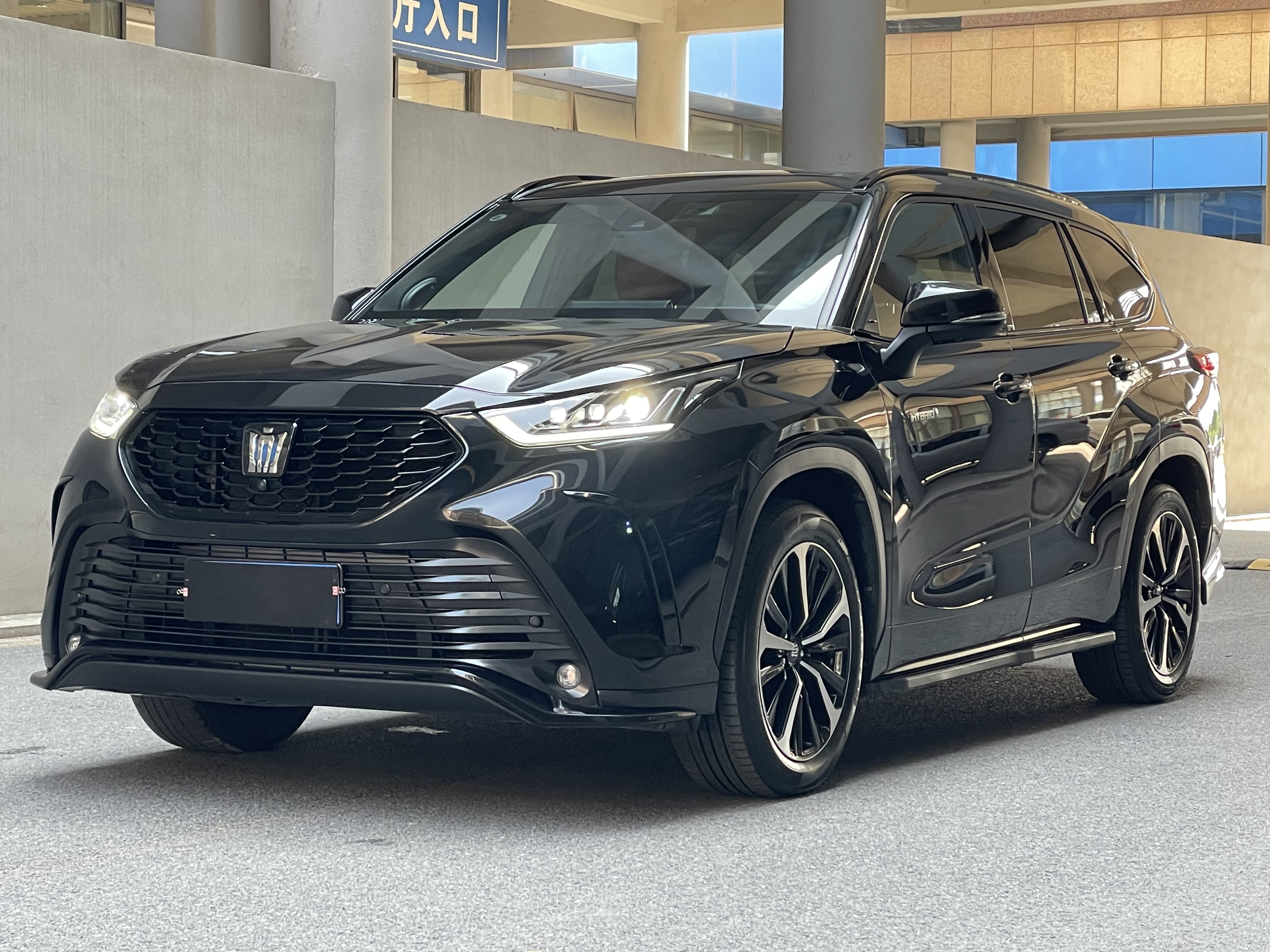
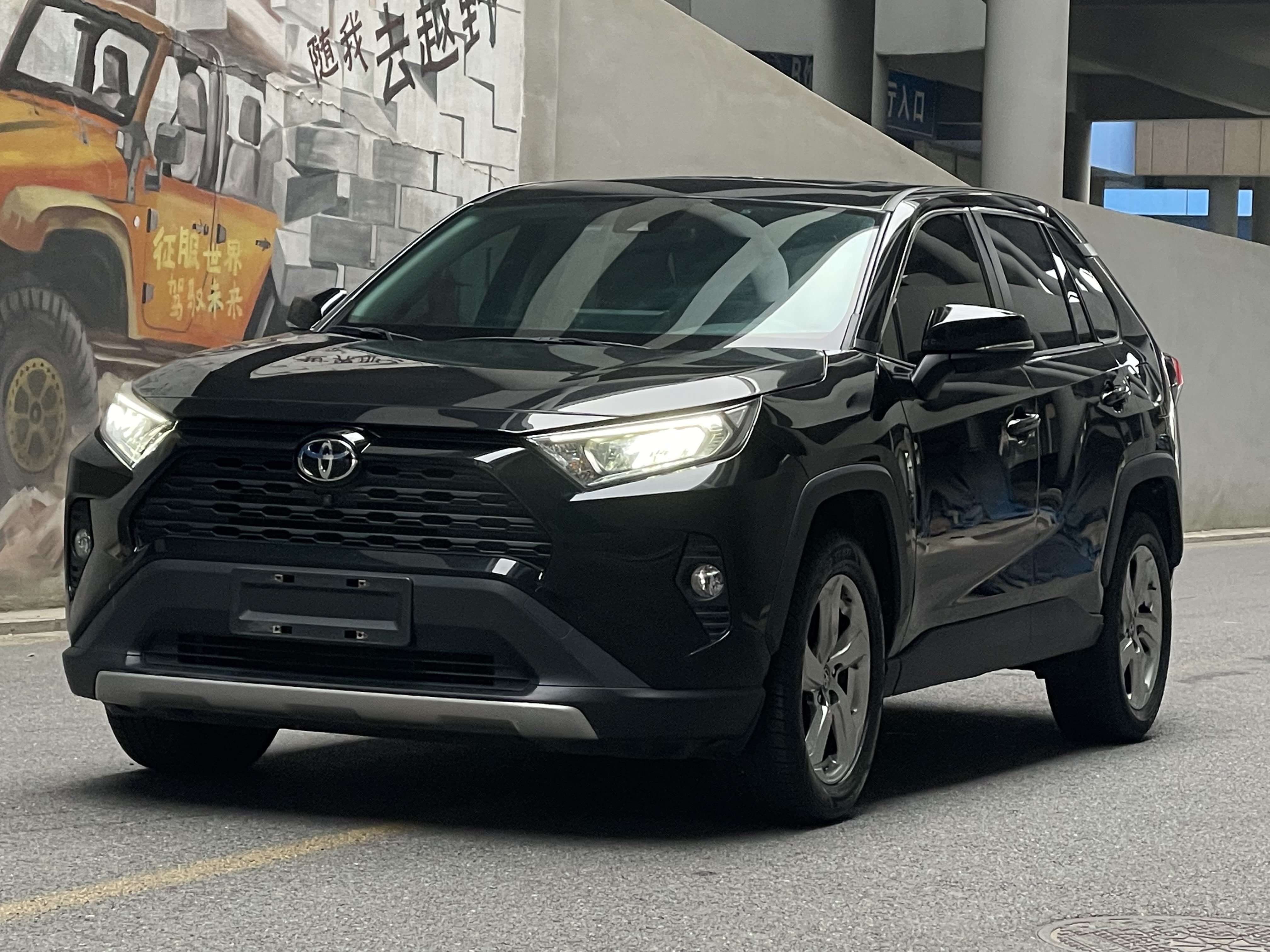
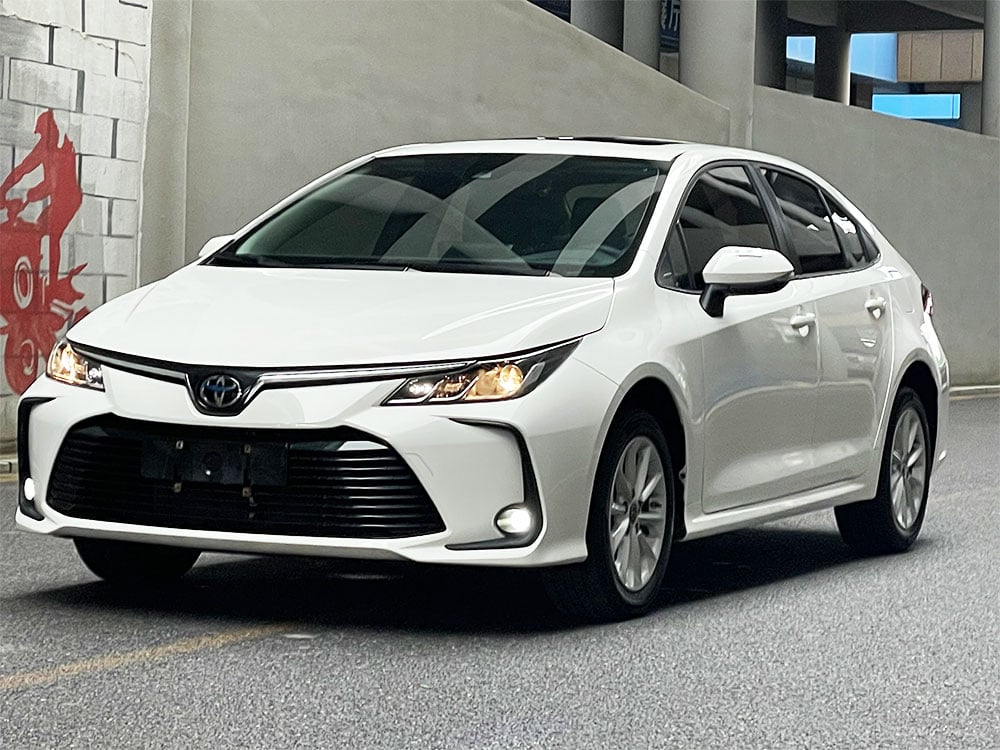
Toyota has accurately insight into the travel scenarios of different users and built a product system covering the entire segmented market. In the household commuting segment, the Corolla has become a "national family sedan" with global sales exceeding 49 million units, featuring an engine overhaul rate of only 0.8%, balancing economy and practicality. In the mid-to-high-end business and household segment, the Camry has improved body rigidity and durability relying on the TNGA architecture, with a major failure rate of less than 2% within ten years, and cases of 400,000 kilometers without overhaul are common. In the SUV segment, the Highlander has become a benchmark model in the mid-size SUV market with balanced space, power, and reliability. In the rugged off-road segment, models such as the Land Cruiser and Prado have conquered harsh global road conditions with their powerful four-wheel drive systems and rugged performance. In the new energy segment, in addition to hybrid models, Toyota has made in-depth layout in hydrogen fuel cell technology, launching the TL Power series of commercial fuel cell systems with a single set lifespan of over 30,000 hours. The research and development of solid-state batteries is progressing ahead of schedule, with plans for mass production in 2027 and an energy density expected to exceed 400Wh/kg.
3. Technological Selling Points
3.1 Toyota Production System (TPS): A Global Benchmark for Lean Manufacturing
Toyota's outstanding quality stems from its world-famous Toyota Production System (TPS), which takes "jidoka (automation with a human touch)" and "just-in-time (JIT)" as the two core pillars, completely eliminating waste in the production process and achieving efficient and high-quality production. "Jidoka" is not simple automation but endowing equipment with "human wisdom." When abnormalities occur in the production process, the equipment or operator can immediately stop the production line to avoid defective products from flowing out. The Andon system realizes the visualization of quality problems, ensuring that problems are 100% exposed and solved before resuming production. "Just-in-time" adopts the "pull system from the subsequent process" model to achieve "producing the required quantity at the required time." The minimum safety stock in the stamping workshop of GAC Toyota is only 4 hours, far lower than the industry average of more than 12 hours, effectively reducing inventory costs while ensuring stable production rhythm.
3.2 Four Core Processes: Demonstrating Quality Craftsmanship in Details
In specific production processes, Toyota demonstrates extreme craftsmanship and technological advantages. In the stamping process, it adopts patented grid die technology, avoiding concave and convex points caused by dust pressure through micro-grooves on the die surface, reducing the pitting rate to 0.8%, and more than 90% of stamping parts are produced in-house to ensure quality consistency. In the welding process, 682 welding robots are equipped, with an automation rate of 56.3%. The unique inner clamping technology ensures body precision and switching speed, and multiple control methods such as full destructive inspection and ultrasonic inspection are used to ensure weld strength. In the painting process, 88% water-based paint is used, with a VOC emission of only 11.90g/m², far lower than the national standard of 20g/m², balancing environmental protection and painting texture. In the assembly process, the innovative SPS (Set Parts Supply) model separates parts selection from installation operations, eliminating incorrect installation and missing installation. At the same time, auxiliary transportation devices are used to reduce the labor intensity of operators and the risk of body scratches. Each vehicle must go through 1,300-1,500 inspection items before leaving the factory to ensure quality.
3.3 Full-Chain Quality Control: Extreme Control from Parts to Vehicles
Toyota has established a full-chain quality control system covering the supply chain, production process, and factory inspection. In supply chain management, a vertically integrated supply chain system (such as core parts enterprises under its umbrella like Denso and Aisin) ensures the consistency of parts quality. In the production process, it promotes the localized improvement concept of "genchi genbutsu (go and see for yourself)," encouraging employees to participate in continuous improvement and implementing visual management for 5 change points including personnel, machinery, and materials. In the factory inspection link, multiple checkpoints such as the instrumentation inspection line and function inspection line are set up. The instrumentation inspection alone includes more than 700 items, and the function inspection reaches more than 900 items, ensuring that every vehicle delivered to users meets global unified quality standards. This full-chain quality control is the core guarantee for Toyota to maintain high reliability for a long time.