 EN
EN
Visual Inspection Guide: Outer and Inner Features of Pre-Owned Vehicles
Overview: Mishandling of Paint, Panels, and Rust
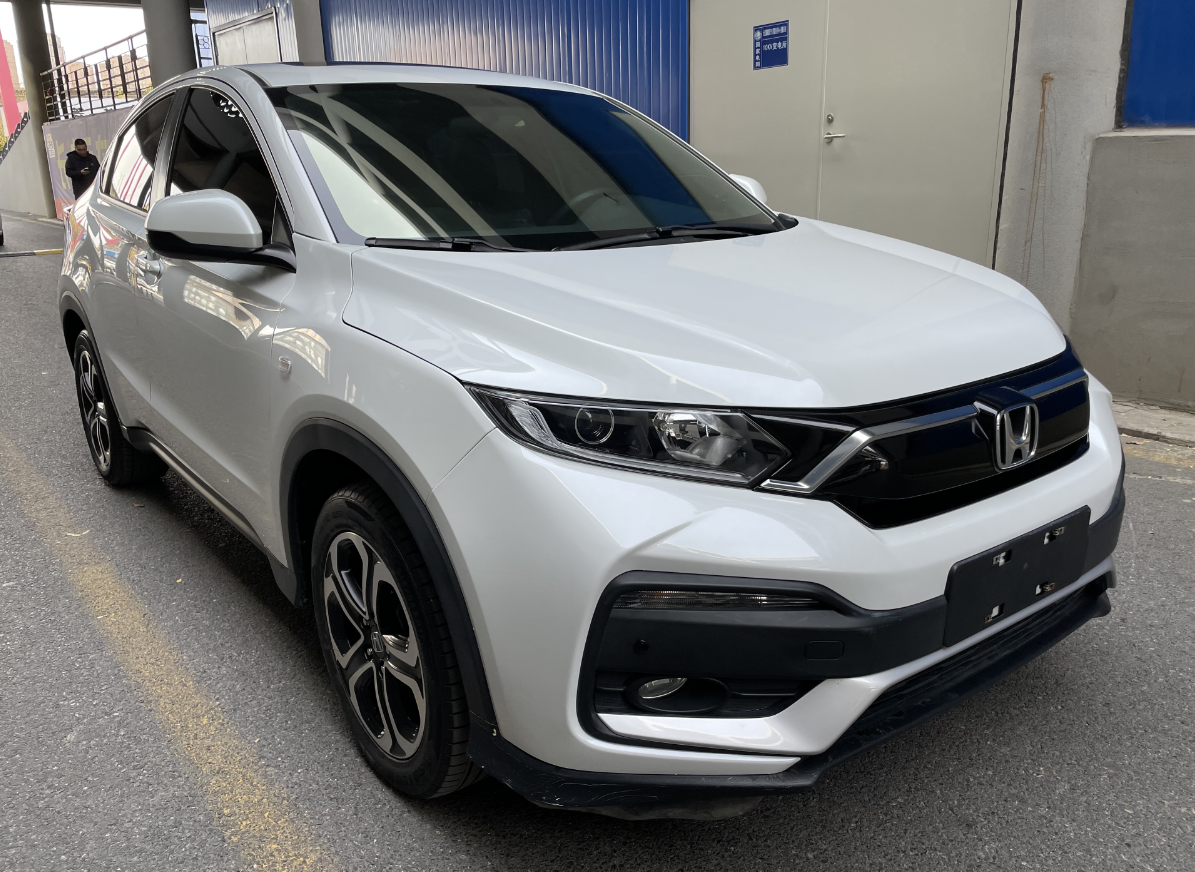
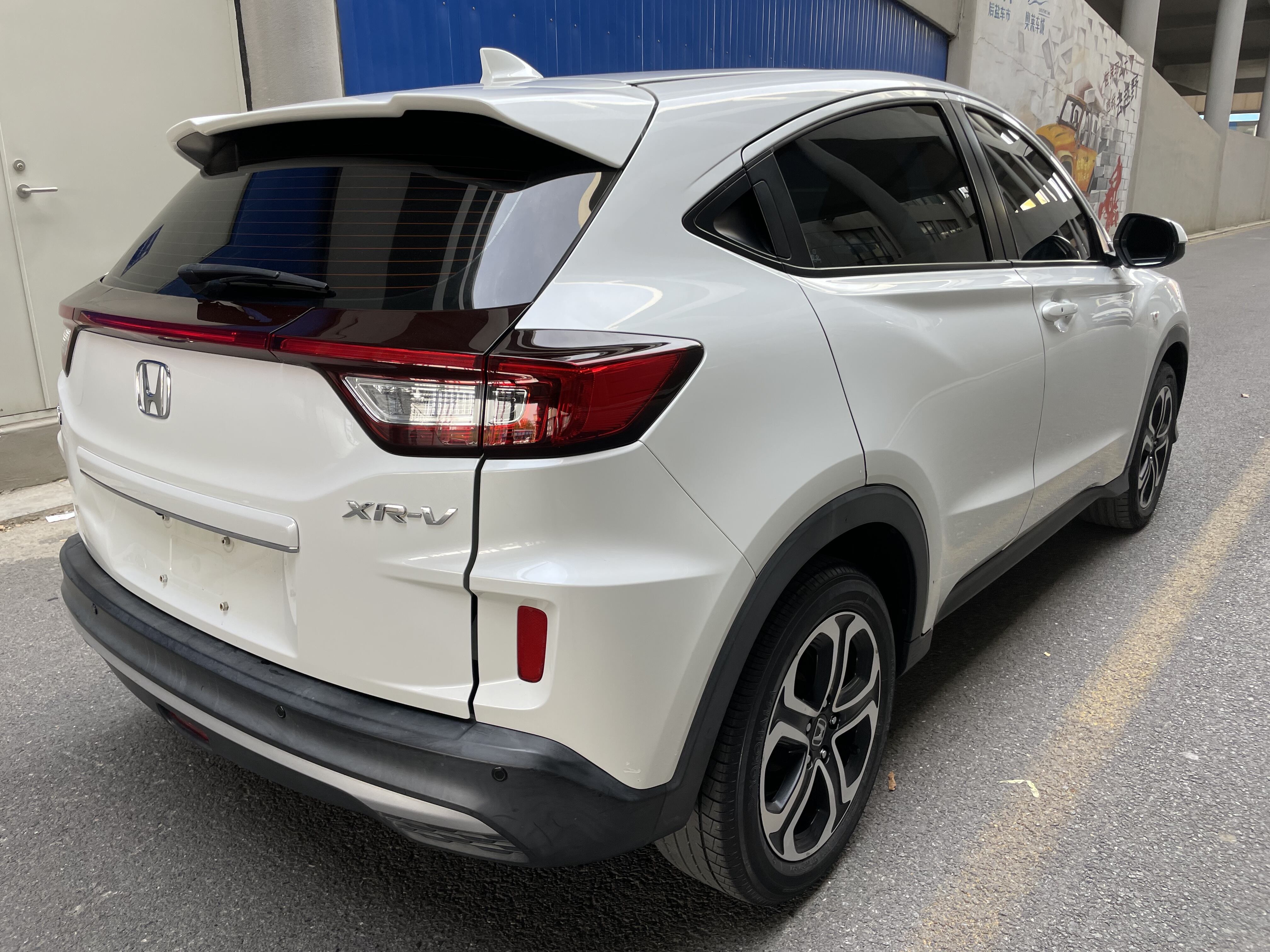
You should inspect all pre-owned vehicles in broad daylight to identify their most probable visual flaws. Inspect the frame, door seams, and fenders for signs of rust, and assess how far the rust has spread. Inspect all body gaps for irregular spacing. Signs of a DIY paint job done in a hurry might indicate an attempt to cover up more serious damage. Research shows pre-owned vehicles displaying the paint, panel, and rust problems cross-referenced above tend to show approximately a 35% repair rate in two years. It’s important to look for the rust, paint, and panel flaws and check all VINs to determine if things have been done a little poorly.
Decreasing the value of pre-owned vehicles: Worn Seats, Smells, Damaged Systems
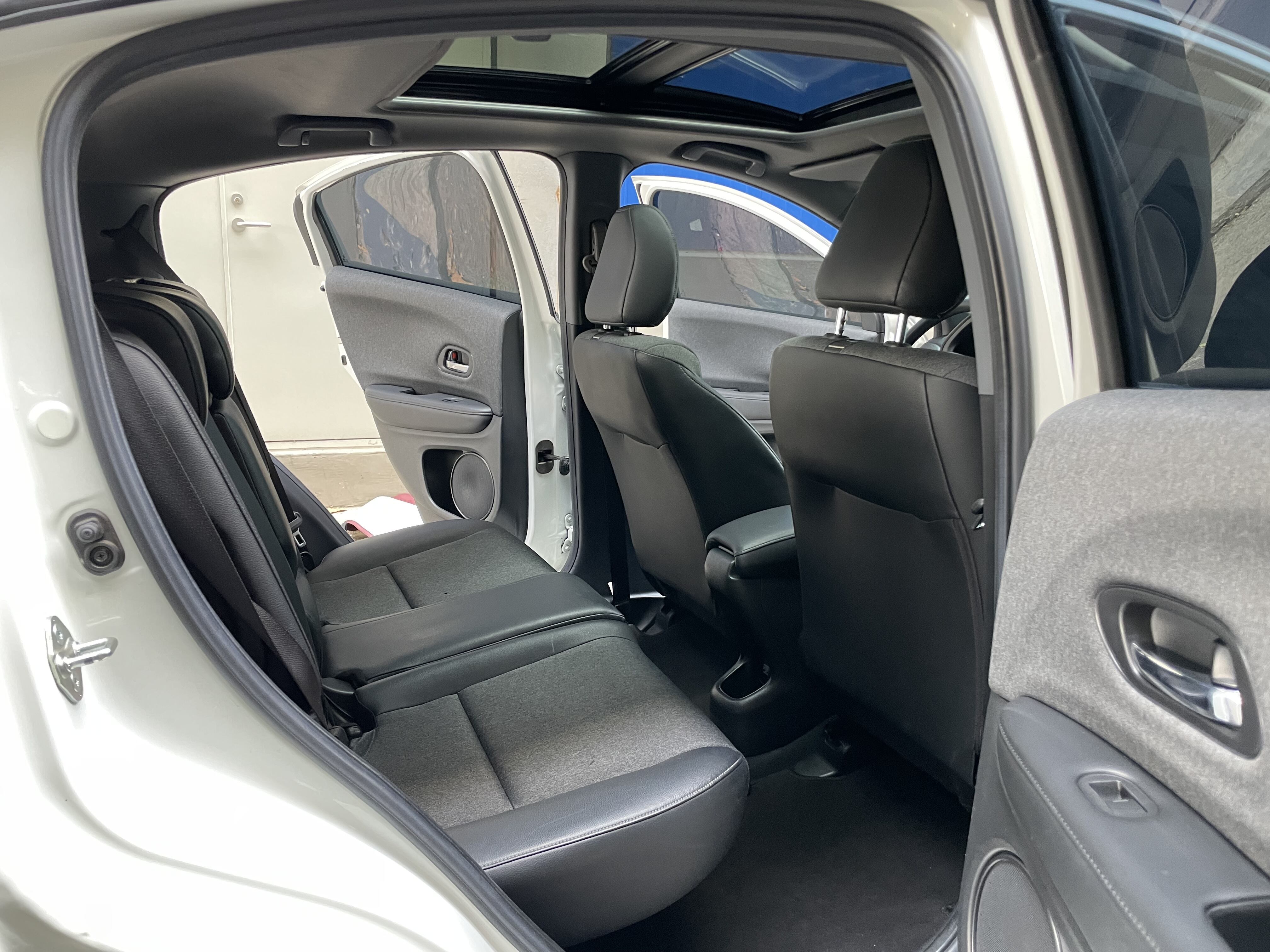
Take a look inside the vehicle and isolate the seat issues. Be sure to check for signs of damage across all seat and panel relics. Damaged and worn seats indicate heavy vehicle usage and are a red flag. Be sure to check for moisture intrusion across the systems, as poor function of a system could occur due to damaged wiring and modules. For this reason, the TLB system is integral in vehicles due to the moisture intrusion. Check for panel and electronic damage as well as signs of poor use to make sure you remain safe in the vehicle.
Old vehicle sales offer title reports and vehicle history details
Reading CARFAX and NMVTIS reports: the necessity of using both.
When purchasing used vehicles, automobile history reports should never be taken at face value. CARFAX and other reports track insurance claims and service reports. NMVTIS reports track state DMV information and update title changes on stolen vehicles, information from salvage yards, and insurance salvage records. Relying on CARFAX alone ignores NMVTIS, which reported 20 percent of vehicles having undisclosed branded titles in 2023 that did not receive reports from CARFAX or other service reports. Used together, claims and service reports, and NMVTIS reports created examples where vehicles that appeared to have no issues in service reports had salvage titles.
Corruption for the purposes of title claims show redundant evidence that vehicles were restored.
A salvage or rebuilt title indicates something must be especially dangerous or a vehicle must have been especially damaged or have its value significantly reduced.
Even with the 20 state requirements to have a different color title for flood damaged vehicles, 35% of vehicles that are illegally titled navigate through state lines (NICB). Before purchasing a vehicle, always demand a title check. The Federal Trade Commission recommends title checks with NMVTIS reports to determine whether titles were illegally branded.
Test Drive Evaluation and Dynamic Performance Assessments for Second-Hand Vehicles
Test driving used cars for sale is crucial since test driving reveals several potential problems that visual inspection may not. Driving used cars for sale for approximately half an hour during test for cars is demanding. Data from J.D. Power 2023 shows that 27% of drivetrain problems that go undetected during inspection are likely to manifest after the vehicle is purchased.
Post-Drive Leak Assessment and Heat Check
Check the ground for an oil, coolant, or transmission leak. Check the hoses, seals, and gaskets for drainage. The coolant should not be low and the engine should not be too hot. The cabin should be cool and the A/C should not be leaking. Check the wires for signs that they should be melted or otherwise exhausted from the A/C. Use the A/C or else melted wires from the Emporor system should lead to aggressive driving.
Get Your Own Professional Mechanic Inspection and Check the Service Record When Buying Used Cars for Sale
Always ensure a used car for sale has been inspected by a professional mechanic before purchasing. Certified technicians are trained to catch things like transmission wear, frame damage, and coolant leaks that a normal car buyer would miss. Pre-purchase inspections save drivers out of 68% of buyers who would have to front $3,000. Mechanics also provide a quote for repairs, leveling the playing field when it comes to negotiating a deal with buyers.
Never buy a car without a professional mechanic’s inspection and good car service records, especially for poor service records. Check for regular oil changes, changes to the timing belt, and recall tickets. o cars with service records without receipts are less desirable and should be inspected more carefully.
Typical inspections costs $100–150 and are a small price to pay when it comes to negotiating the deal. Mechanical issues can be a potential dealbreaker when it comes to brake lines and a bad turbocharger, stuff like that is critical to the longevity and safety of the car. Use a car's history report to check for discrepancies.
FAQ
What are the most common red flags during a visual inspection of used cars?
Most issues come down to rust, paint, and the structure of the car.
What makes the dual-source verification for vehicle history reports significant?
Having CARFAX and NMVTIS doing the dual-source verification is significant as it shows undisclosed branded titles and other things that other reports might miss.
What am I supposed to be listening to on the test drive?
You are supposed to listen for abnormal engine and suspension noises like knocking, whining, and grinding when doing the test drive.
What justifies the need for a professional mechanic inspection?
With a professional mechanic inspection, you will be able to save lots of money on future repairs by spotting hidden flaws that other people might miss, and you will be able to offer the seller a better deal.