
 EN
EN
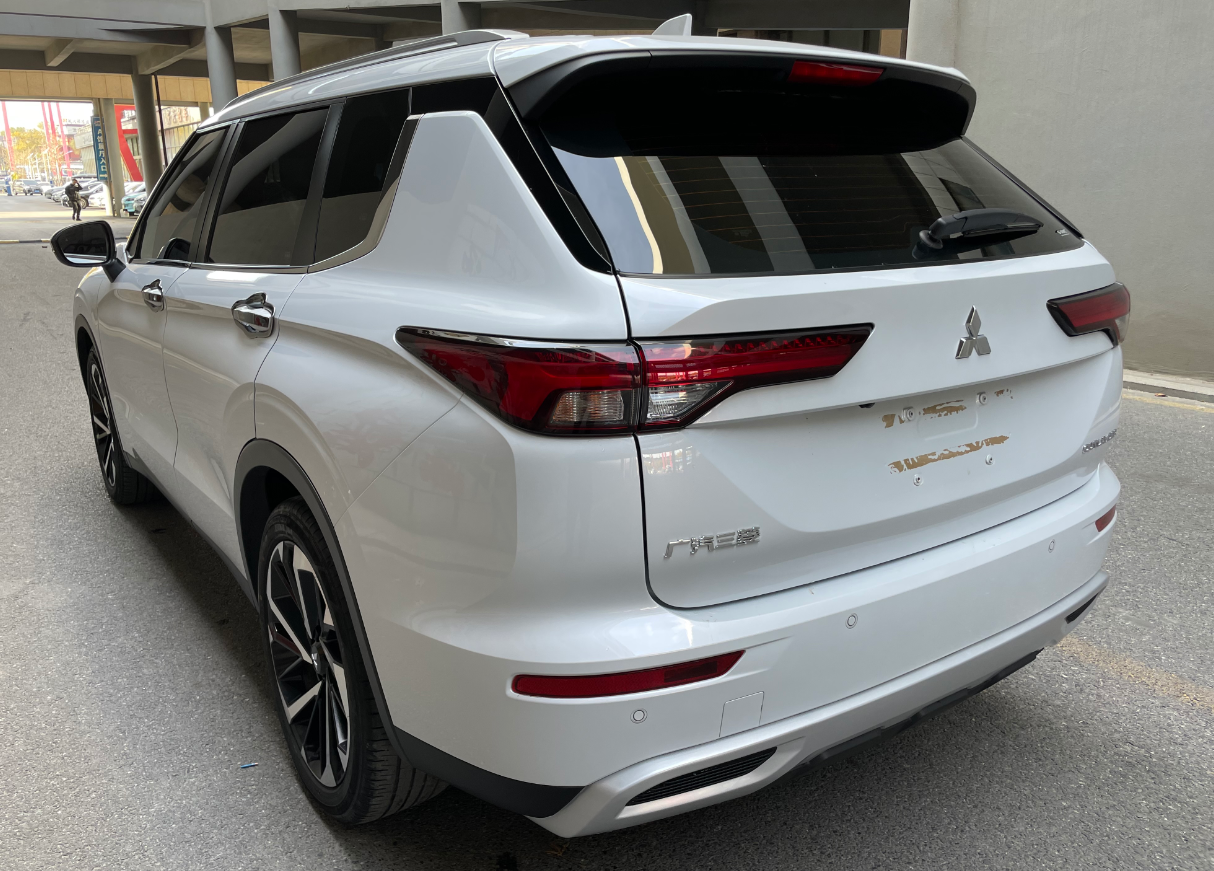
Guangzhou, Tianjin, and Shanghai: Infrastructure, Auction Access, and Inventory Volume
Guangzhou, Tianjin, and Shanghai are China’s most important export hubs for used gasoline cars and each have dedicated infrastructure, auction access, and large inventories. Direct shipping from Guangzhou to the Middle East and Africa supports large inventories of later-model Japanese used cars. Tianjin specializes in Japanese and Korean used cars with auction logistics, bonded storage, and auction logistics. Shanghai leads all ports in trade volume and used car exports with dedicated processing centers, integrated customs and freight clearing services, and bonded logistics; in early 2025, Shanghai Port processed 20,000 used cars (more than double the 2024 total). In 2024, used cars exports from these ports averaged $16,000 each with a varied, processed inventory.
Most Available Used Gasoline Cars: Japanese, German, Korean, and Local Brands
Regional manufacturing and trade partnerships affect brand availability across ports. Southern region assembly practices support the availability of used Japanese cars (Toyota, Honda) in Guangzhou. German cars and emerging Chinese exports such as Geely and BYD (who now constitute 40% of the used export inventory), as well as Korean used cars (Hyundai, Kia), are predominantly shipped from Shanghai. Tianjin has focused Korean used cars, and Tianjin’s auction logistics (with bonded storage) support used cars of all Korean makes. Recent models of solutions compliant with China’s emission standards are now available across all ports, so buyers can acquire cars with the desired modification without having to coordinate inter-port logistics.
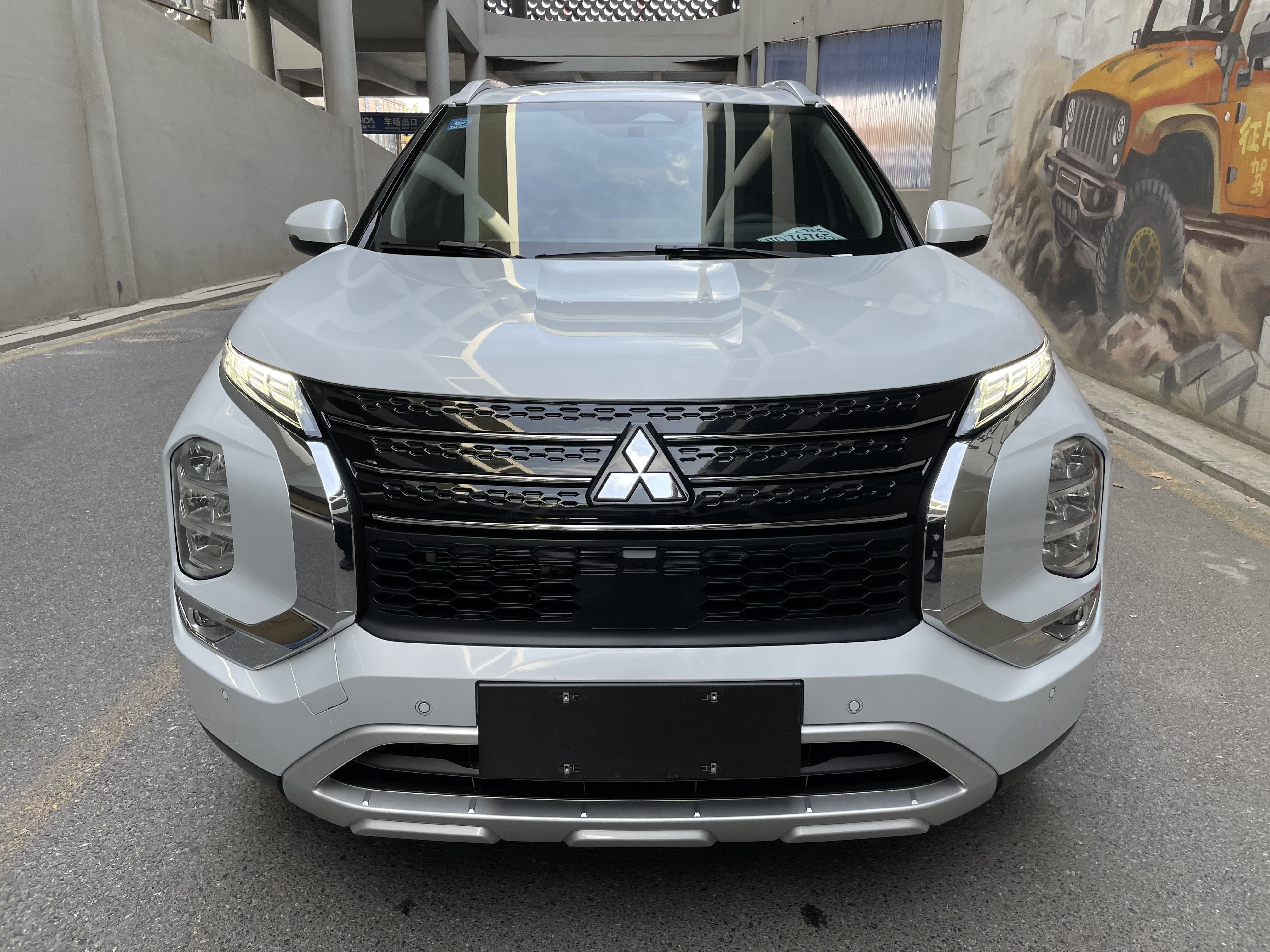
Sourcing Used Gasoline Cars From Authorized Chinese Exporters: Safety Tips
Confirmation of MOFCOM Registration, VAT Refund Eligibility, and Vehicle Cancellation
Work only with exporters who are officially licensed under China's Ministry of Commerce (MOFCOM) Used Vehicle Export Pilot Program. Check their registration number in the MOFCOM public registry and verify they have a genuine export license for physical operations (as opposed to having a shell company or being an intermediary through social networks). Clarify VAT refund eligibility at the beginning: exporters who are eligible retain a VAT of 13-17%, which means the landed price will be lower by that percentage. As important is checking the vehicle cancellation status: the vehicle must be legally deregistered in China, which must be shown by an official Cancellation Certificate issued by the local traffic management authority. Trustworthy exporters include this document (along with third-party inspection reports) in every export shipment. The absence of verification of cancellation is the primary cause for customs rejection at the destination port.
Unregistered Wholesalers and Gray-Market Intermediaries
Unregistered wholesalers operate with much the same confidence as legitimate exporters, but they can disappear when things go wrong. Beware of:
1. Prices 15–30% below a sound market price with little to no evidence supporting such pricing. These may include salvage titles and vehicles with high mileage.
2. No ability or refusal to perform a live remote video inspection with an accompanying live chassis/VIN verifications.
3. Inability to provide a MOFCOM number, a bonded warehouse number, or an auction number in a timely manner and providing evasive answers.
4. A complete inability to deliver cargo that is fully paid without a copy of the contract and/or without a visit to the facility.
Gray market intermediaries, use WeChat and/or WhatsApp and have no physical presence at the auction site or the bonds. In contrast, licensed exporters offer transparent and verifiable digital service and storage solutions. Citing data from the China Association of Automobile Manufacturers, 68% of the fraud cases can be attributed to unregistered wholesalers misrepresenting the ownership, condition, and compliance of merchandise. This reinforces the need for onsite bonded facility verification prior to undertaking any substantial purchases.
Quality Assurance and Regulatory Compliance for Used Gasoline Cars Exported From China
Pre-Export Inspections: Chassis Verification, Mileage Certification, and Third-Party Reports
Pre-shipment inspection is mandatory. Buyers must demand third-party verification for chassis integrity (structural alignment, corrosion, prior accidents), mileage (OBD-II, service record and odometer history), and mechanical integrity. Well-known exporters will hire internationally accredited companies, such as SGS or BV, to provide detailed reports for engine and transmission, as well as other electrical and flood damage. A 2023 survey of African importers indicated that 68% rejections were due to undisclosed chassis damage, which was generally difficult to reveal if the only data were from pictures or oral reports from the sellers.
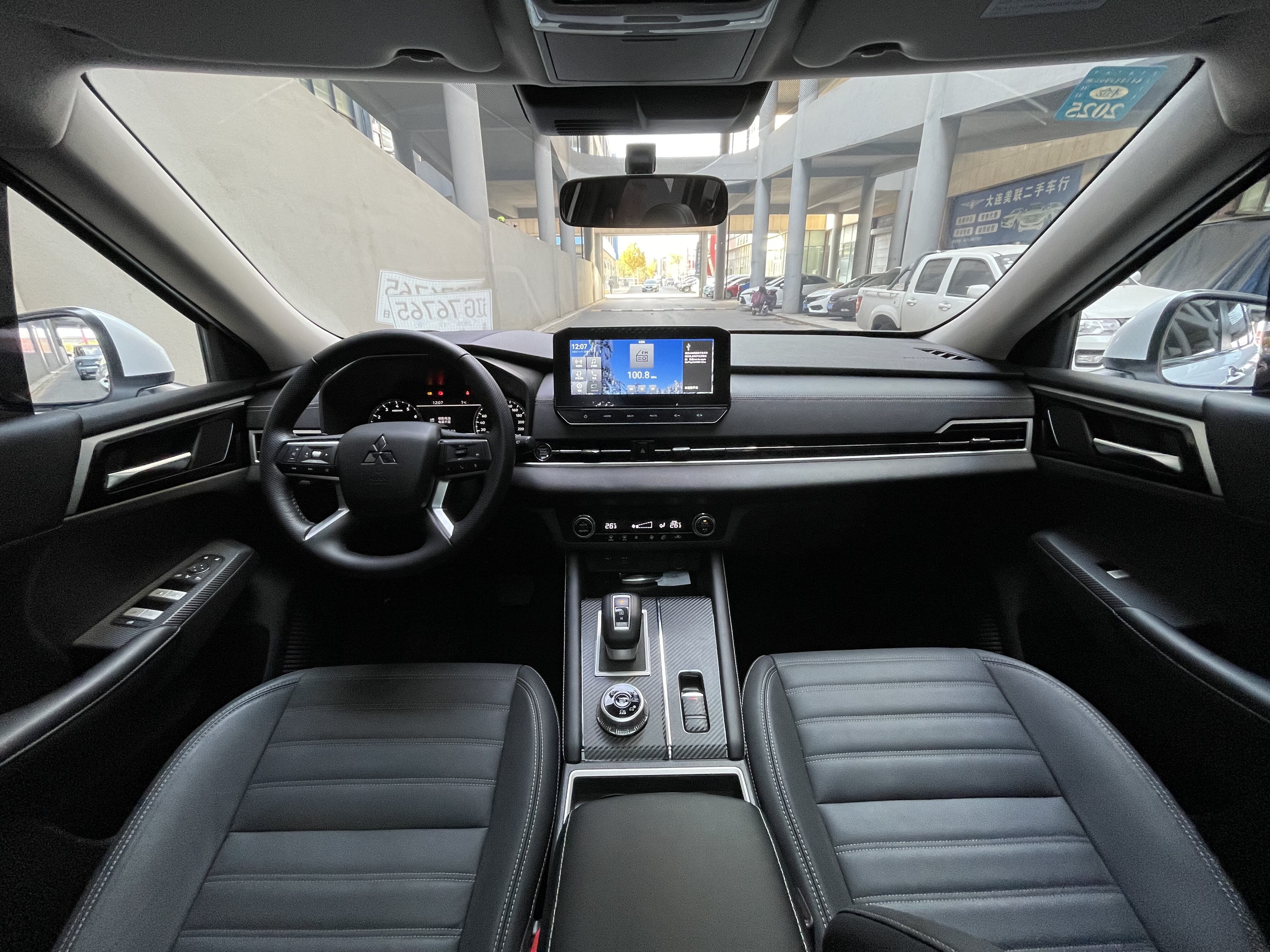
Import-Ready Requirements: Manufacturing Year Limits, China VI Emission Standards, and Documentation
Used gasoline cars from China must comply with regulations from both the exporting and importing countries. Minimum requirements are age limits (typically ≤5–8 years, dependent on country of import), mandatory China VI emissions (proven by certified post-test), and full compliance documentation. The export complete file must include the MOFCOM export license, customs (GACC) clearance, physical inspection authorization, China VI, and cancellation certificates, with all VINs on each of the documents authentic and in order. Non-compliance leads to delays, re-inspections, and even detention. According to the Global Trade Review (2024), the average cost of non-compliance is $4,200, and with perfect documentation and compliance control, these delays and fines can easily be avoided.
Common Questions
What are the main export points for used gasoline cars within China?
Guangzhou, Tianjin, and Shanghai. They provide exports and auctions with the most options and specialized facilities.
What are the top exported car brands from China?
Toyota and Honda (Japan), BMW and Mercedes (Germany), Geely, and BYD) (China). In Tianjin, two Korean subway and car lines (Hyundai and Kia) are highly integrated.
How do I confirm a licensed exporter?
Check for MOFCOM registration. Then check if they have an effective export license with possession for relocation along with vehicle cancellation and VAT refund.
What are the important documents to export second hand cars from China?
A MOFCOM export license, custom declaration, certificate of physical inspection, China VI compliance, and a cancellation certificate.
What are used cars sourcing concerns from China?
These are very low prices with no evidence, no live inspection, inconsistent license information, and opting for payment transfer before documents are shown.