
 EN
EN
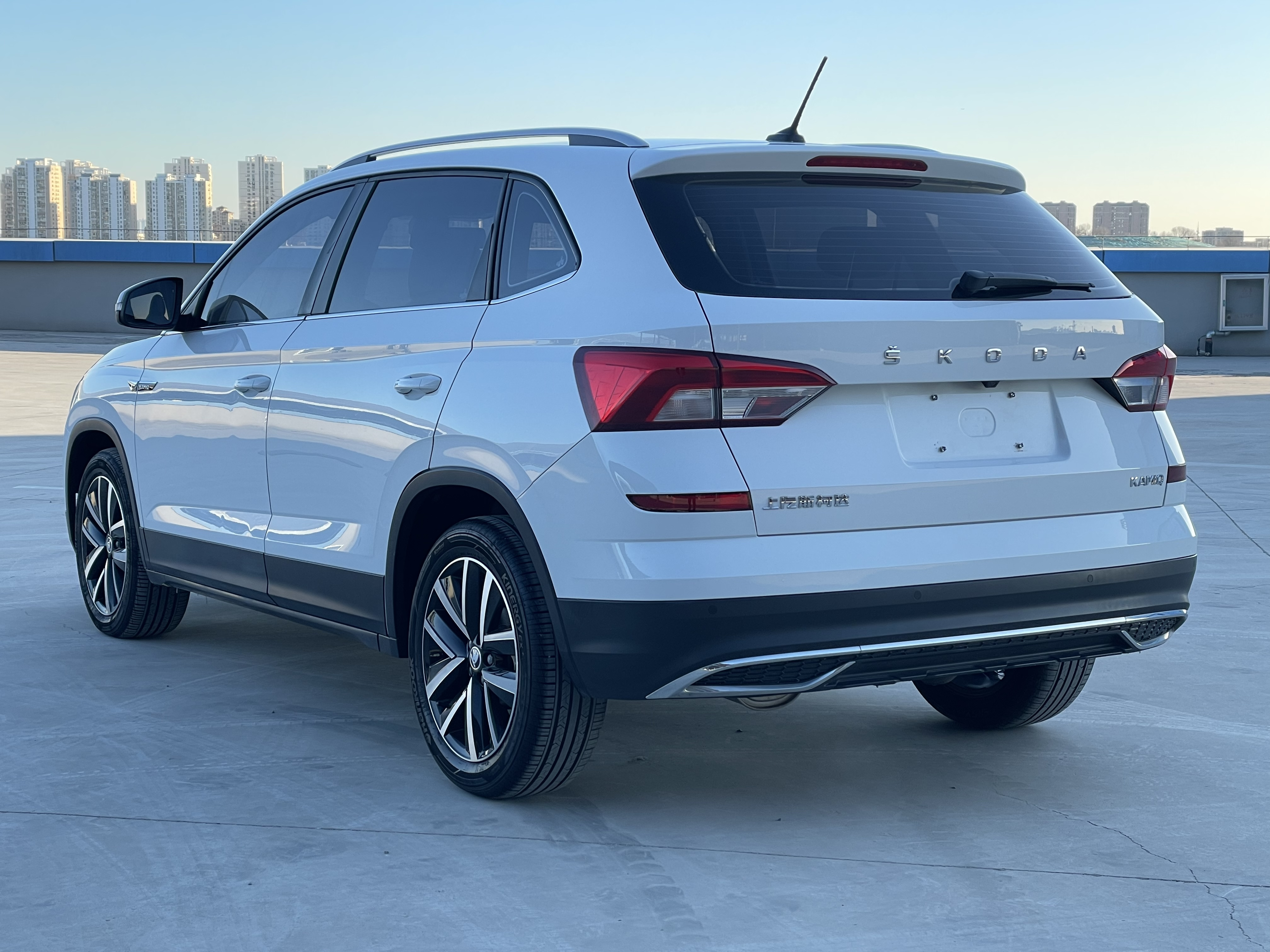
Certified Pre-Owned Programs: The Best Place To Buy Used Cars At Affordable Prices
How CPO Programs Balance Price and Quality
Certified Pre-Owned (CPO) programs focus on great customer experience. They measure great customer experience as customer satisfaction combined with customer value. CPO programs are great for customers looking for quality and assurance. CPO programs offer late model vehicles that have confirmed low mileage and go through processes for manufacturer guaranteed refurbishing. At first purchase, customers experience the greatest depreciation, even when the car is still valuable. Cars go through a process of mechanical steps that will prepare them for customer longevity. Customers get near new qualities to products but at a substantially cheap price. Customers get products at roughly 20 to 40 percent lower than the new manufacturing suggested retail price. Dealerships CPO vehicles come with various new car warranties and CPO vehicles have 14 percent less repairs than any other certifications. It's clear that the slight price increase is not a marketing gimmick; the vehicles are worth it.
Reliability That Comes From Dealership Inspection Standards (e.g. 182 Point Checks)
Reliability is of utmost importance when it comes to CPO vehicles. The vehicles have standardized multi point inspections of over 150 checks. The checks come from various manufacturer endorsed facilities and the checks come with proprietary systems. Inspection components have strict grading systems with dealing systems.
Inspection Category Key Components Grading Systems
Powertrain Engine compression, Transmission Fluid, Drive Line Integrity No Defects
Safety Systems ABS Functionality, Air Bag Sensors, Structure Frame Alignment Anything compromised is an eleven out of ten
Electronics ECU Diagnostics, Infotainment, Sensor response Greater than 3 minor problems
These are just a few of the great manufacturer inspections. The checks require documentation at each step of the inspections. CPO vehicles are the only acceptable vehicles that pass the defined steps of the inspections. Each inspection comes with the various legal binding rereinspections to the CPO vehicles. The CPO vehicles are not simply labeled as good condition, they are a reflection of various assurance processes. No longer are customers looking at subjective judgments; they will get an CPO vehicle that comes with process value.
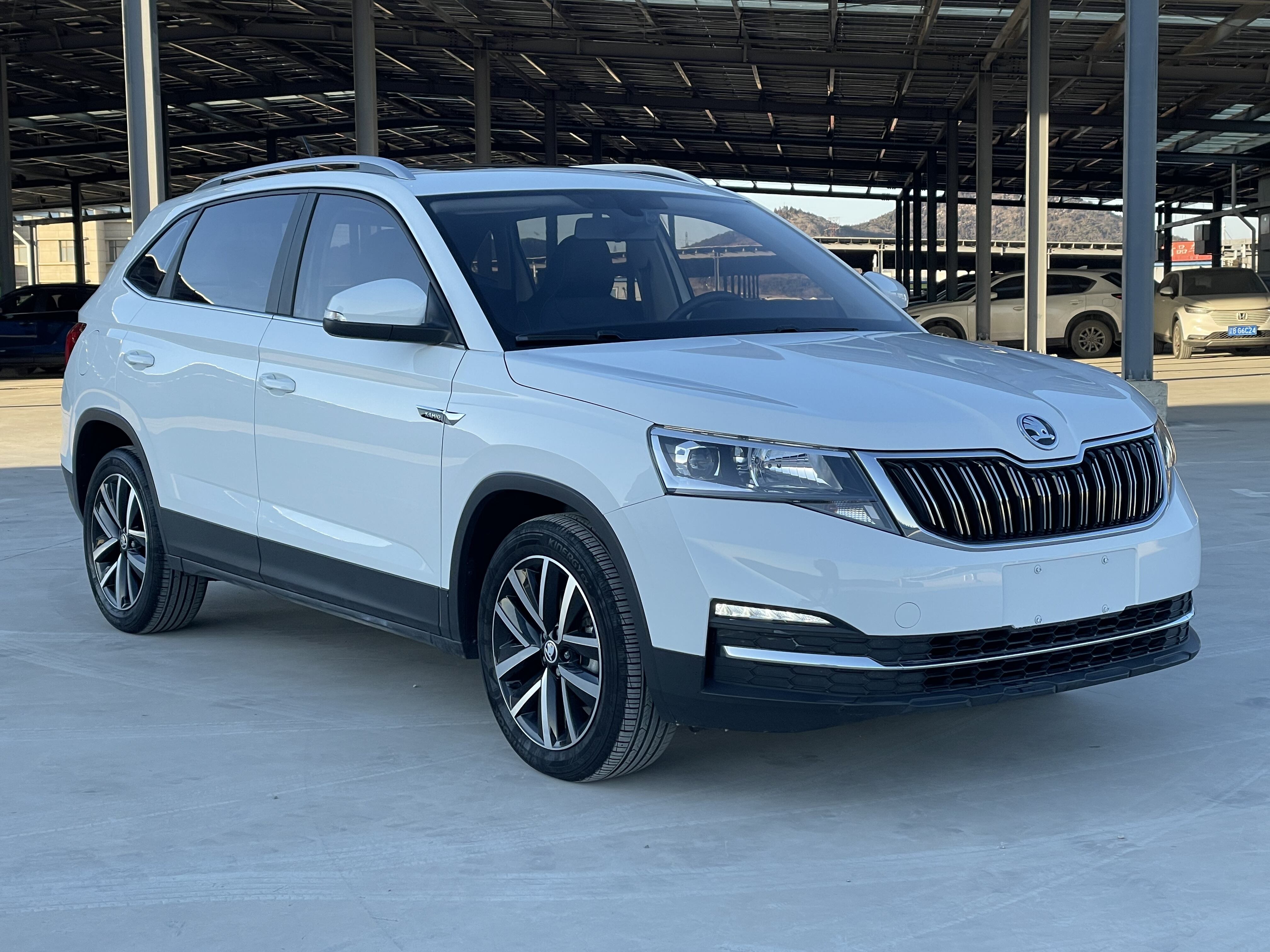
CPO Warranties vs. Third-Party Warranties: Which Provides Better Long-Term Value Protection?
CPO manufacturer warranties add far more long-term protection than third-party warranties. For starters, they extend original factory protection by adding powertrain protection and roadside assistance for a full extra 12 months/12,000 miles without any upfront deductibles. Claims are processed through brand dealership networks, removing the delays that come with external adjuster approvals. Repairs are completed with OEM parts by factory-trained technicians, which is unlike independent providers who often use lower-cost aftermarket parts. Retention data proves the point: vehicles with CPO warranties are 15% more valuable at the five-year mark. Manufacturer-warranted protection certainly provides real financial returns.
Reliability Verification: How to Determine Value in Budget-Friendly Used Cars
Assessing Vehicle History Reports and Physical Inspections
Reliability verification begins with two essential steps that include reviewing vehicle history reports and conducting a hands-on physical inspection. Carfax, for example, can help identify red flags like the same vehicle having multiple short-term owners or inconsistencies in maintenance. Professional mechanics can help cross-check the reports with a 150-point inspection that includes engine diagnostics, suspension, and frame alignment. A vehicle with a full service record and a clean inspection is likely to have 40% fewer major repairs during the first year. Look for rust under the wheel and fluid leaks running out of the engine. These are often signs of a problem that have been concealed and not covered in the digital inspection reports.
Models Recommended by CR and Industry Reliability Standards (Expenses)
Models that ensure durability should be prioritized when shopping on a budget. Each year, Consumer Reports releases reliability ratings based on over 300,000 vehicle surveys which show budget vehicles that cost the median within 5 years of repairs. Focus on the models that have been performing ≥90/100 for many years. Especially in cases like compact sedans and details that have documented less mechanical problems. When looking at total cost of ownership, don't forget to analyze insurance, fuel economy, and parts availability. For example, some models 5 years old have a reliability score that makes them hold an average of $550 per year to maintain when compared to their peers. They have a large cost and are a good budget option.
Strategic Sourcing Channels for Cheap Used Cars with Verified Quality
Top 3 Reliable Sources – From Manufacturer-CPO Lots to Trusted Online Marketplaces
To get consistent, budget-friendly used cars, accountability and transparency in sourced channels should be valued first. The first option for manufacturer-certified pre-owned (CPO) vehicles is at the top of the list. It is the only option where you can get a warranty and that the vehicle underwent a 100 point inspection and an outside mechanic professionally reconditioned it. The second is a franchise dealership that is credible and offers support at the dealer level. The last option is a reputable marketplace like Autotrader or Cars.com, where you can set filters, check verification of the seller, and access the entire inventory nationwide. Each of these should have the documents checked, the mechanical verification documentation, and the protection offered for buyer requests.
The Most Critical Step: Pre-Purchase Inspections to Safeguard Your Purchasing Power
Pre-Purchase Inspections (PPI) should be required for any used car purchases, regardless of certifications. Most people do not realize that without a PPI, their used car that undergoes no inspections will lose 42% of its value, once they start doing required repairs that are not visible during a regular inspection. I recommend that used car buyers have a detailed inspection that will evaluate all of the functional aspects of the car including the engine, transmission, brakes, suspension, and frame, along with scanning for any stored trouble codes. Also, the inspector will compare the wear and tear to the car versus the documented maintenance history. Ask your inspector if their inspection is documented to the SAE J2808 standard– this is the standard of automotive inspections. This fee of $150–$300 is a small price to pay, to ensure that you do not get saddled with the problems created by the previous owner’s neglect, and to strengthen your position during negotiations.
Frequently Asked Questions
What is a Certified Pre-Owned (CPO) vehicle?
A Certified Pre-Owned vehicle is a used car that has be recorded through a routine inspection and series of adjustments by the original manufacturer, to standardize a refined quality.
Are CPO vehicles more expensive than regular used cars?
CPO vehicles, while having more refined quality due to the rigorous inspections and adjustments, along with the use of original manufacturer parts during repairs, do tend to be more expensive than standard used vehicles.
Do all manufacturers provide Certified Pre-Owned programs?
The majority of large car manufacturers provide CPO programs, and while the programs may differ with the inspections, warranties, and coverage, there is generally one available from a large manufacturer.
How do CPO warranties compare to third-party warranties?
CPO warranties tend to be better than third-party warranties, because they provide manufacturer protection, extended factory coverage, and OEM parts repairs, all of which lower the price of the warranty, while improving the coverage.
Why is a pre-purchase inspection important when buying used cars?
A pre-purchase inspection can help spot issues that may exist that car buyers may not be able to detect even if a car is test driven. A mechanic’s inspection can save a buyer a lot of money in repairs.