
 EN
EN
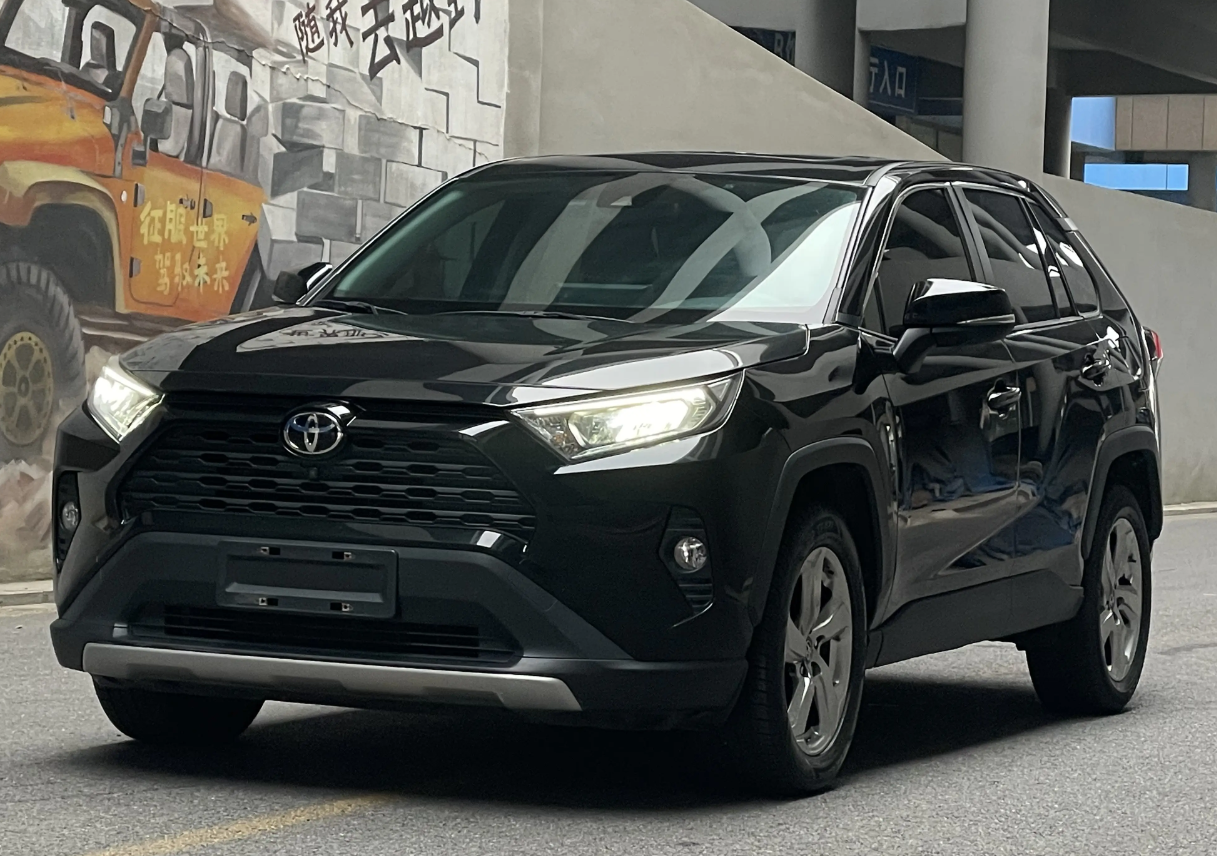
How Dealerships Run New and Used Car Divisions
Since sales and inventory systems are based on different financing structures, dealerships naturally have new and used car operations as structurally separated divisions. New car sales teams have close ties with manufacturers, while used car sales teams focus on a wide range of purchased vehicles that have been analyzed for market price, brought up to date (reconditioned), and have determined market price. Used car departments have gross margins of 12-15% and new car sales have gross margins of 7-10% (NADA 2023), which makes distinction in operations very important for margin. As differentiated financing structures, manufacturers (floor) plan financing have lower, regulated interest rates, while used cars have variable interest rates based on the condition, age, and how in demand vehicles are compared to how easily available they are on the market. Used inventory is also dependent on commercial lenders.
Differences in Title Transfer, Warranty Coverage, and Legal Liability by Vehicle Type
Legal and procedural differences create risks associated with new versus used car sales. Since new cars have never been owned and also come with a free full manufacturer car warranty that covers everything for 3-5 years/36,000-60,000 miles, transfers in title come with no legal encumbrances. Used cars come with legal encumbrances and full and legal disclosures are legally mandated as 'as is' by the FTC Used Car Rule. Additionally, used cars may have liens, may be wrecked or salvaged, and come with a history which is also legal to disclose. These legal encumbrances shift entire responsibility for the sale to the new owner. Used cars also come with legal encumbrances of odometer and accident disclosures which require distinct compliance processes. For B2B purposes, it is very important to be able to identify these differences to understand different risk factors and create a proper procurement strategy.
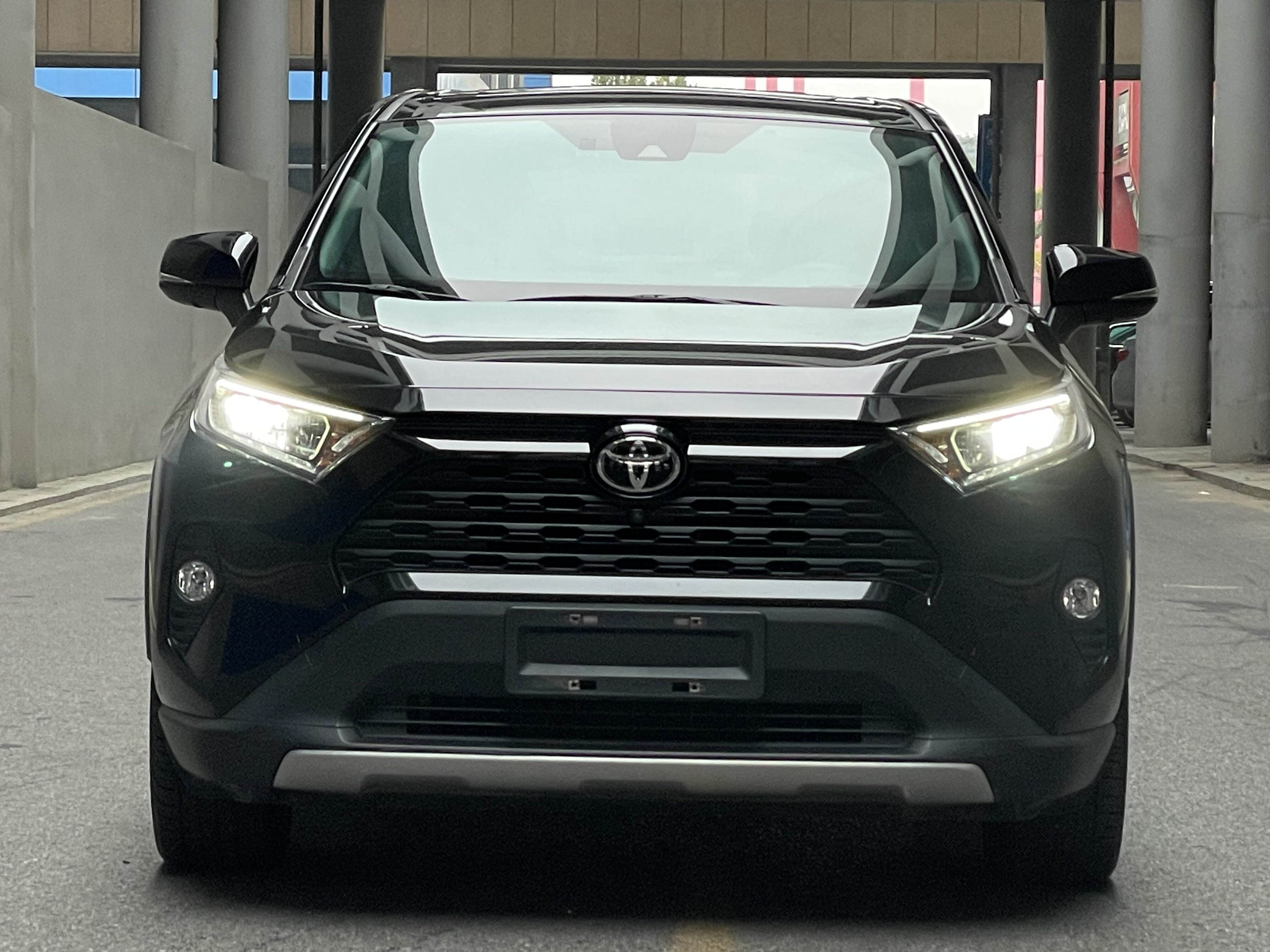
Transparency and Value in Used Car Procurement from Integrated Suppliers
CPO vs. Non-Certified Inventory: Resale Retention and Buyer Confidence Metrics
Approximately 5-10% of resale value in CPO is more than the resale value of the majority of the Non-Certified vehicles, based on data from NADA and Black Book. Customers are also more confident in the seller making a CPO purchase rather than a Non-Certified purchase. CPO inventory shortens the buyer risk perception gap by 31% and increases the probability of a closed sale by 22%. Non-Certified inventory has a lower degree of predictability and financial tracking, which makes it difficult for buyers to forecast potential significant costs and overall change in vehicle condition over time. CPO vehicles also have third-party vehicle history reports to improve buyer transparency, but it is not a substitute for the predictability, accountability, and consistency that are features of CPO inventory.
Dealer Markup Patterns on Used Cars — Insights from NADA and Black Book Data
The variation of dealer markup based on a vehicle’s condition is predictable. Within a three-year window, 1–2% is observed, with 22% of used vehicle markups representing CPO. Urban dealerships report dealer markups that are on average 1% more than in rural areas, which can be attributed to changes in competitive density and dealer-to-consumer relationship costs. The integration of hundreds of dealers allows real-time optimization of dealer markups across the system.
The Strategic Advantages of Single-Supplier Car Procurement for B2B Buyers
The ability to leverage Trade Ins, Incentives, and Negotiation Across Departments
For fleet buyers, consolidating supplier contracts for both new and used vehicle procurement creates valued, measurable strategic advantages. Buyers whose volume is significant enough to trade across divisions obtain new car bulk purchase discounts and trade-in assessments for retiring fleet assets, all within the same supplier contract. This approach activates loyalty incentives. High volume purchasers receive priority for the much sought after car models, as well as incentives to trade. Companies purchasing 50+ cars a year realize 12-18% lower total procurement costs with unified contracts. For procurement, lifecycle management is consolidated, as the complexities of service and management report standardization combined with service office replacements and vehicle purchases is minimized.
For your convenience, we have included a FAQ.
Why do dealers have separate divisions for new and used car sales?
Each division has its own profitability model, so new car dealers are focused on manufacturer relationships and sales training, while used car dealers focus on reconditioning cars and pricing.
What are the key differences in title transfer between new and used cars?
New cars have just been issued a title for the first time and are under the full protection of the manufacturer. Meanwhile, used cars may have history in the title which may include liens, or even a brand of the title as a salvage, leading to multiple disclosures.
What are some benefits of Certified Pre-Owned (CPO) cars?
The CPO vehicle is expected to be in good sellable condition and meets all the requirements of the trade. A CPO is a used vehicle of the dealer's. Non-CPO used cars do not have the same reseller expectation.
What advantages come from consolidating car procurement from one supplier?
It has the potential to decrease purchase costs, simplify management of each lifecycle, and offer extra benefits including priority supply, faster delivery, and discounts for large-volume corporate buyers.