
 EN
EN
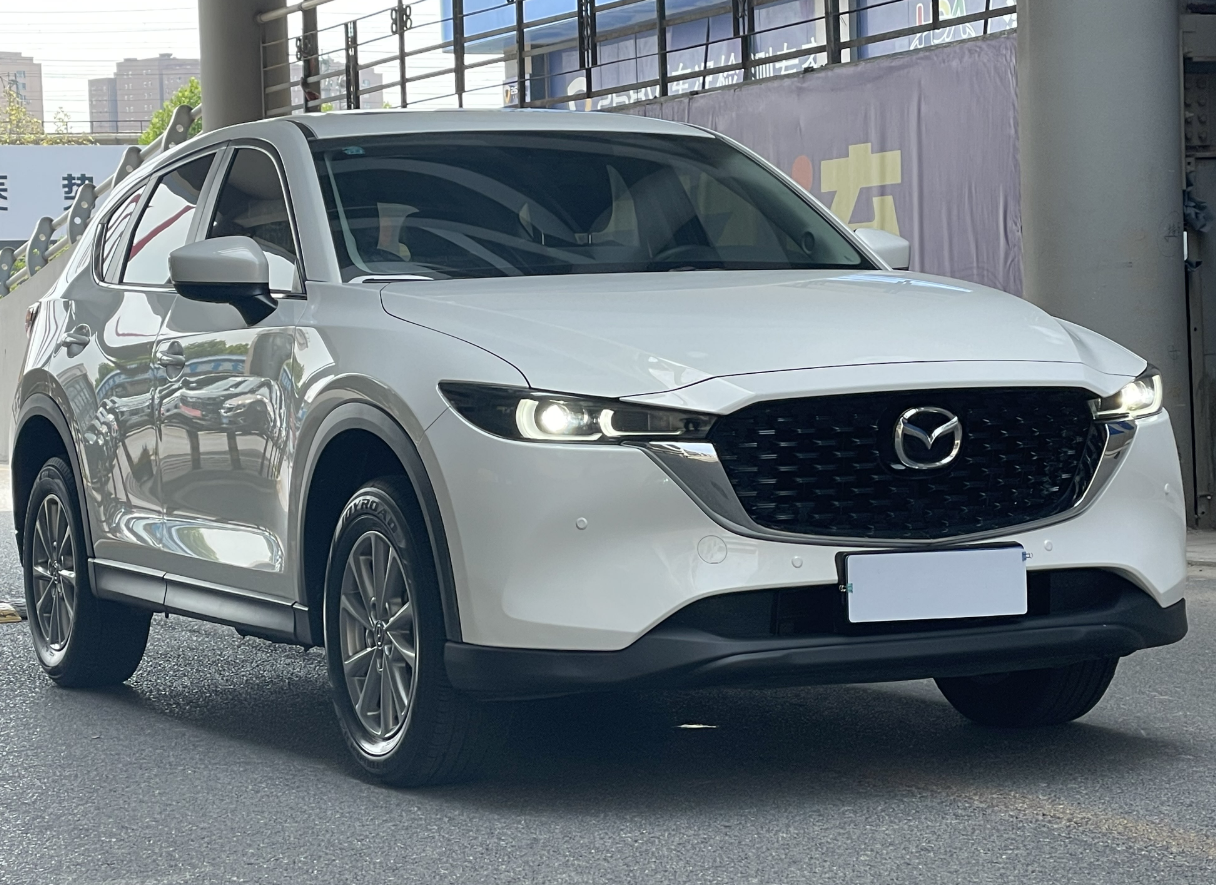
Standard Duration of Promotions for Sale of Pre owned Vehicles
7-14 Days: The Standard for Pricing Promotions on Pre owned Vehicles
Most dealers build their pricing promotions on pre owned vehicles around a 7–14-day period. This range encompasses a sense of urgency that creates traffic on the floor without leaving the buyer feeling pressured to make a purchase that may have important implications. The bulk of the marketplace indicates that promotions lasting around 14 days have the highest conversion rate. Windows that come in shorter periods, 3-7 days, often result in an offer not being presented to a sufficient number of people. Promotions that take longer than 21 days lose their sense of urgency, leaving the promotion stale and dragging down both the promotion and the vehicles on the floor. Consumers are more likely to take action on an offer when good research can be done in the time frame established, and the promotion offers a sense of scarcity. The National Automobile Dealers Association (NADA) offer the 7-14 day time frame as the benchmark in tactical promotions for pre owned vehicles.
Reasons for Promotion Duration: Extended Final Sales Dealer Promotions
Due to business or inventory cycle demands, dealer promotions can last longer than two weeks, though these situations are rare. For instance, a dealer can offer a longer promotion to sell their inventory quickly. This situation usually occurs when a dealer's supply of used vehicles increases beyond their routine level of 60 to 75 days. Excess inventory can happen due to an increase in trade-ins or a decrease in market demand. Extended promotions can give dealers time to sell inventory before it becomes undesirable, rather than incurring losses from large markdowns. When turnover of the current year's inventory occurs, promotions are also extended. Automotive dealerships need longer sales walls to sell greater amounts of older inventory before the new model year's vehicles arrive. End of quarter or year sales can also last up to a month-long. In these situations, the longer promotion indicates the dealer's need to sell inventory to reduce their costs of storage, and it does not mean buyer's interest in the deal is low. In Cox Automotive's 2023 report on dealer inventory, most dealers that extended their sales beyond three weeks did it for liquidating stock purposes rather than adjusting product prices for demand.
Seasonal Changes in Used Car Sales
The season can help predict exactly when dealers will run their promotions and to what extent discounts will be available to the buyers. There are predictable savings and discounts at certain times of the year, due to the cycles of consumer buying patterns (including the receipt of tax refunds) and the dealer's inventory goals.
Q4 Peak: Seasonal Holidays, Year-End Closing, Tax-Purpose Surge in Used Vehicle Sales
The year-end closes the strongest seasonal pattern in the sale of used vehicles. Manufacturers offer dealers incentives to sell off year-end inventory in the form of bonuses, for which dealers set aggressive goals. The period is punctuated by users intending to take a year-end sales tax deduction rushing to purchase. The year-end period involves many temporary reduced-price sales promotions, and dealers aggressively push sales from October to early December, with promotions most concentrated in the month of November. According to J.D. Power's 2023 U.S. Sales Satisfaction Study, Q4 accounts for roughly 32% of all used vehicle sales promotions for the year.
Spring and Summer Demand: Back-to-School Traffic and Trigger Events
Spring's tax refunds make March and April the prime months to sell used cars. Thousands of customers rush to make purchases after receiving money, inspiring the used car market's spring bounce. Shows to attract customers usually offer low APR financing and highly promoted trade-in bonus values. The value of an offered used car changes during the peak months as demand influences the trade and sale car values. The peak usually settles by summer, and the market shifts focus to customers planning ahead for back-to-school shopping. This promotes sales of family-friendly SUVs and sedans. Summer also provides rental fleets with new inventory that helps dealers move sales and adds stock. The focus on refreshing inventory incentives seasonal purchases that help customers avoid average sales deals and secure larger savings.
What Promotion Length Reveals About Inventory Health and Pricing Strategy
The length of a used car sale promotion can provide insight into available inventory levels and pricing objectives. Promotions lasting less than a week or two indicate a healthy inventory and a more firm sales price. These sales are designed to offer discounts to buyers to foster a promotion-based urgency. Promotions lasting longer than two weeks provide insight to a surplus of a particular used vehicle, inventory that has grown "stale" and needs to be cleared, or an effort to capture sales made during peak buying times, like tax refunds or a transition to a new model year. Usually, a longer than two week promotion focuses on selling used cars that are slower to sell or an older model year. Often, used car dealerships will implement a longer promotion as a way to maintain lower prices overall and avoid a price cut on all vehicles Policy. This kind of promotion allows buyers to negotiate better prices and leverage finances more effectively for vehicles that dealerships want to sell.
Effective Tactics to Maximize Used Cars Sale Promotion Impact
One effective way to avoid lower prices is to use more structured promotion tiers.
Extended Engagement Without Discount Erosion with Tiered Incentives (Cash Bonuses + Low APR)
Tiered incentives combine elements of cash bonuses and consumer financing with a low APR to create an attractive and layered value proposition. For instance, dealers may run a used car promotion with a cash bonus of $500 for trade-ins and a financing offer at an interest rate of 2.9% for qualified buyers. This approach incentivizes buyers to convert, even without an across-the-board price reduction. Cash bonuses meet immediate customer needs by providing instant savings, while a lower APR meets the promotion’s goal and sustains the offer longer by reducing long-term costs. This approach segments customers by budget and savings. Profit margins are preserved with the cash offer, while sustained customer engagement is maintained with the low APR offer. In fact, according to the National Retail Federation's 2023 Consumer Promotion Effectiveness Survey, the dual incentive approach meets lead-to-sale conversion goals 27% more effectively than promotions offering single incentives. Dealers are able to showcase their promotions and broaden their audience with this approach by leveraging digital marketing, especially through social media and email marketing.
Frequently Asked Questions
How long do used car promotions typically last?
The duration of promotions usually falls between 7 to 14 days, which creates a level of urgency while still allowing time for the customer to make their decision.
Why would a dealership run a promotion for longer than 2 weeks?
High volume of unsold stock, end of season or end of the model year clearance events can all lead to promotions that run longer than 2 weeks.
When can I expect to find used car promotions?
Q4 is usually the best time, but spring and summer months can also yield good results before the inventory is refreshed and end-of-year sales are held.
What do long promotional windows show about price and inventory?
Promotions that are extended show that there is excess inventory and/or that there is an effort to clear older models while executing a flexible pricing strategy.