
 EN
EN
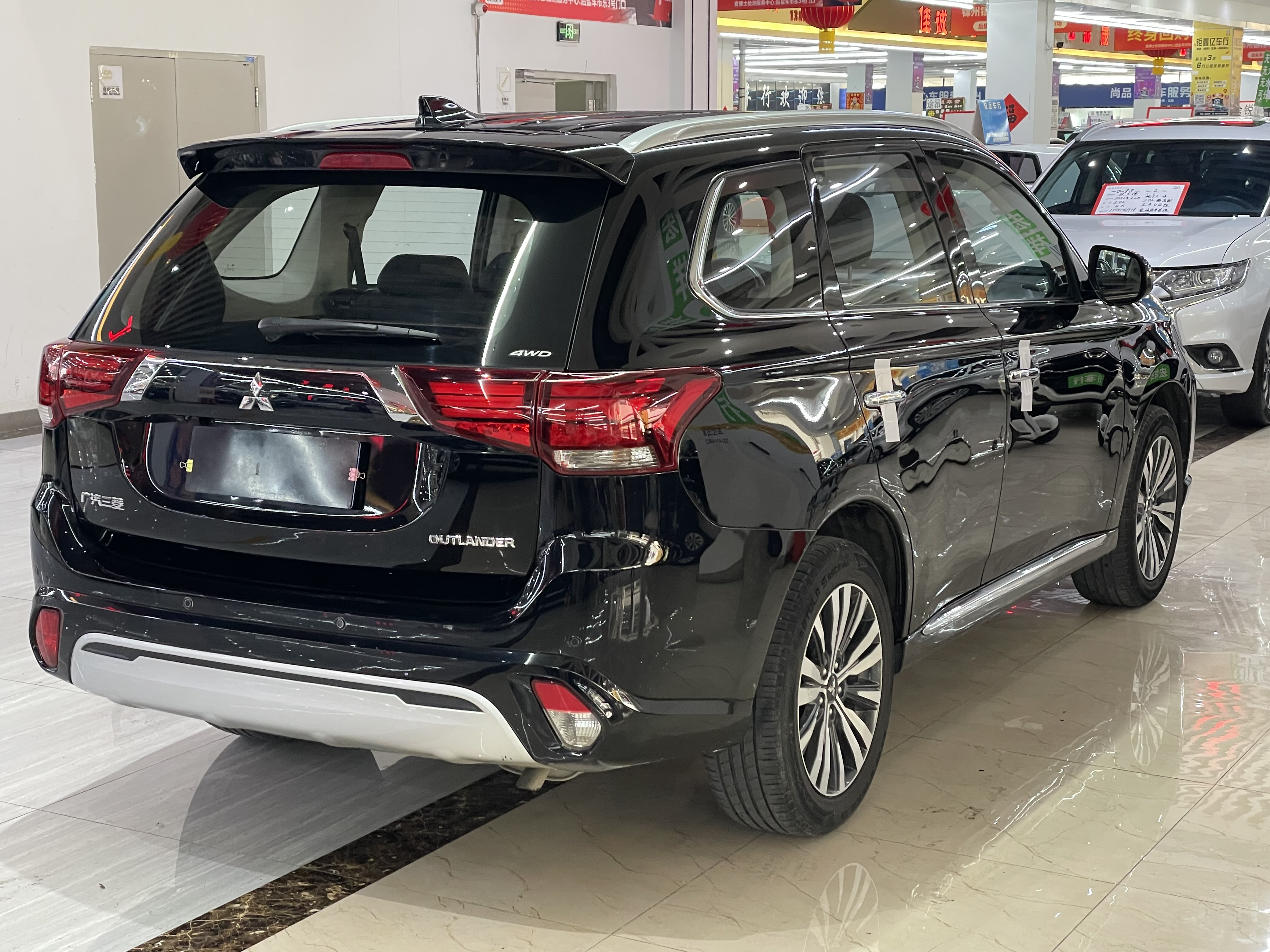
Most Profitable Chinese Cars for Import (BYD, Wuling, Chery)
Chinese automakers have found a niche in profitable vehicle imports by designing purpose-built electric models that effectively harmonize cost, functionality, and consumer demand. Three innovative strategies provide profitable margins in diverse international markets.
BYD’s newest electric crossover has a gross margin of 20 to 25 percent due to effective pricing and resale value. The Atto 3 has a range of 260 miles and DC fast-charging capability which meets most European and Australian regulations. BYD has also prioritized safety, earning a 5-star rating from Euro NCAP. This results in lower insurance premiums for customers. Lithium iron phosphate batteries give the Atto 3 a significant advantage over competitors since they last 8 years. This also provides a 15% increase in resale value. High margin countries such as Thailand and Israel will see a fast stock turnover (less than 45 days) to keep the cash flowing from a well-established aftermarket parts network.
Wuling Mini EV: High-Turnover Niche Markets Ultra-Low-Cost Car
Tuckable and fully fledged EV partners directly with consumers (B2C), with a value proposition of under $5,000 метавонед. Electric vehicles at this price point will be highly desired by dealers and will likely turn over stock three times a year. Urban and peri-urban regions with congested roadspace and limited retail space extend the usability of the vehicle to potential buyers. Given the absence of pricey international export vehicle modifications, the manufacturer's 9.2 kWh do not require cooling systems. In Southeast Asia, 75-mile EVs are ideal for university campus and ridesharing services as most users/businesses will not exceed the 75-mile range limitations. The vehicle's weight of 750 kg is strategically advantageous for reduced taxes offered in Morocco's specific industrial zones as well as Thailand, where the car's weight qualifies for a lower tax bracket (12% tax vs 30%). Furthermore, companies targeting operational scaling have potential margin enhancements with shipment sizes of about 1,000 units, providing duty-free industrial zone margins.
Chery eQ7 & Omoda E5: Premium Pricing Car Imports with Tech Balance and Duties Impact
In Latin America, these models, while being mid-range positioned, can charge around 18 to about 22 percent more due to very good tech specifications. The eQ7, for instance, can get Level 2.5 autonomy with the Qualcomm 8155 chip which allows for hands-off driving on the highway. For Omoda E5, the tech-inclined 24 inch curved screen is likely to attract Gen Z customers. Some of the smart companies have found a workaround for the 35% import tariff in Brazil through joint partnerships where local assembly of components is done instead of full imports, which can lower total costs by about 27% in local currency. Another smart battery swap system is used to avoid South Africa's very expensive $120 per unit battery disposal fee. Instead of competing against very cheap luxury options starting at around $45k such as Mercedes and BMW, these cars are priced at $28k. That is a good price to capture those looking to ‘upgrade’ from the models in the lower tax brackets without feeling they are ‘settling’ for a cheaper option.
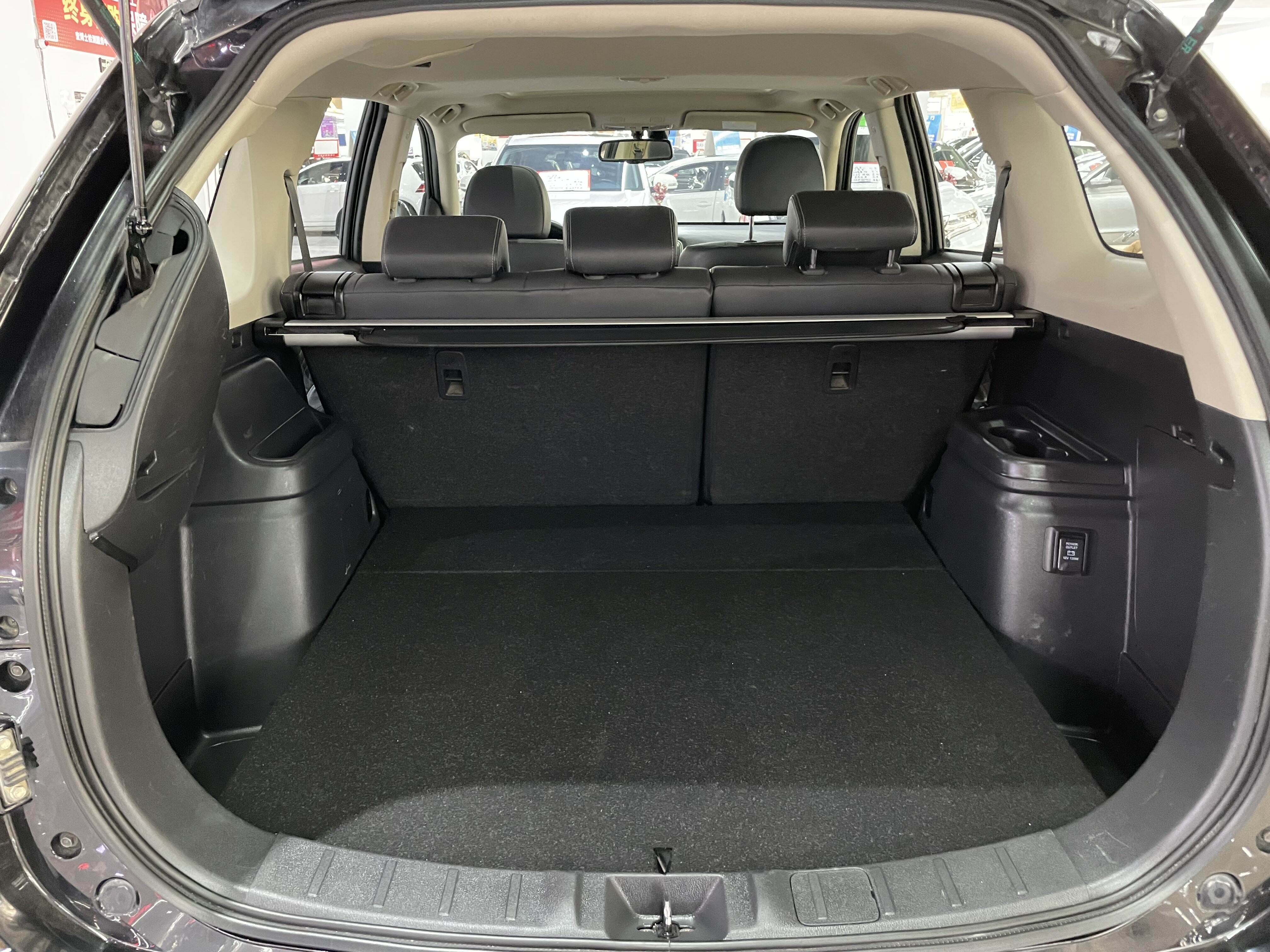
Why Are New Energy Vehicles The Most Profitable Car Imports From China
Profitable exports from China are increasingly dominated by New Energy Vehicles (NEVs). This is attributed to huge production capacity, strong state support, and an evolving global demand from consumers. Chinese manufacturers produced around 9.5 million NEVs in 2023, which is about 66.67% of global NEV production. In the Chinese domestic market, NEVs captured about 33.33% of the market share of new cars. This dominant production leads to a significant decrease in average pricing of NEVs, which further enhances China's competitive advantage. NEVs accounted for 30% of China's total exports of 1.73 million automobiles. China is also the fastest growing exporter of plug-in hybrids. NEVs are more profitable to import because of the European continent's strict emissions regulations, tax incentives in Asia, and the growing global network of charging stations. These factors reduce the need to modify internal combustion engine (ICE) vehicles. China produces 70% of the world's EV batteries, which makes the import of NEVs even more profitable. On average, the profit margin from NEVs is 18-22% higher than conventional vehicles.
Total Costs and Profits Analysis: Duties, Freight, Compliance, and Changes for Imported Vehicles
From FOB Price to Road Ready: Feasibility Study of Car Importation
To establish true profitability, one must go beyond the factory-gate FOB price. Vehicle imports are subject to several other opaque costs which, if considered, will destroy your profitability. First, shipping costs. Sea freight is the most economical means of transporting goods, but other costs associated with shipment include port handling, insurance (which is around 1.2% of the cargo at the time of shipping), and fuel surcharges. These costs will add 15 to 30% to the basis of transport.
Cost Category Key Components Impact Range (% of FOB)
Logistics & Transport Ocean/Air Freight, Insurance, Port Fees 15% - 30%
Government Charges Import Duties, VAT/GST, Customs Clearance Fees 10% - 50%+
Compliance & Modifications Emissions Testing, Software/Hardware Updates, Safety Certifications 5% - 20%
Post-Arrival Expenses Inland Transport, Registration, Dealer Preparation 3% - 8%
Import duties are arguably the biggest wildcard in the whole equation. Take electric vehicles as a case in point the tariffs across the major markets in Africa have the most extreme ranges with Nigeria as low as 10 percent while a tariff in South Africa is as high as 35 percent. Compliance standards also tend to be quite unpredictable. Companies may be required to modify certain elements of the car entertainment systems in order to comply with the stringent data protection regulations in the EU, and this can cost anywhere between $800 and $2000 per vehicle. Also, keep aside 5% of the landed cost for the goods for any unforeseen regulatory and documentation errors. As a general rule of thumb, the bottom line is an unknown, until most of the costs are accounted for.
High-Opportunity Markets for Chinese Car Imports: LATAM, Africa, and Southeast Asia
The emerging distribution markets for Chinese cars are located in Latin America, Africa, and Southeast Asia. The reasons contributing to this trend are numerous. The first is that business-friendly and free market approaches are more prevalent. In addition, as more and more first-time car buyers enter the market, infrastructure investments are increasingly justifiable. Approximately 40% of China’s electric vehicles are exported to these regions, in part due to lower import taxes than Europe and the United States. Furthermore, the sales approval process is shorter due to less bureaucracy. Streamlined approval processes, such as those found in Chile, Vietnam, and Nigeria, enable cars to be exported faster than to developed economies, providing a first-mover advantage to these countries.
Regulatory Gaps, Infrastructure Shifts, and Consumer Readiness Driving Car Import Demand
Three interconnected factors amplify profit potential:
Regulatory advantages:
Duties are lower in LATAM’s Mercosur trade bloc.
African nations like Algeria exempt EVs from import taxes until 2027.
ASEAN’s zero-tariff zone for Chinese EVs under RCEP agreements.
Infrastructure maturation:
Southeast Asia will deploy 50,000 new charging stations by 2026, while African solar projects enable reliable off-grid EV charging.
Consumer readiness:
Middle-class expansion across these regions has increased demand for affordable cars, with Chinese EVs priced 30–50% below European equivalents.
Region Key Advantage Growth Indicator
Southeast Asia Lowest tariffs 0-5% (RCEP) 78% YoY (2024) EV sales
Africa Impact of minimal safety regulations 200% increase in imports since 2022
LATAM Provides tax incentives for EVs 45% increase in the market share of EVs in Chile/Peru
Investment in infrastructure has begun to match consumer preferences. 67% of consumers in these markets prioritize price over brand. Latin America has the highest growth in EV sales, with the adoption rate tripling in 2024. It is clear that a combination of a lack of safety regulations, a flexible economic approach, and the right regulations create profitable opportunities for imports of Chinese cars.
FAQ
What are the benefits of importing Chinese vehicles like BYD, Wuling, and Chery?
These vehicles can be imported at low prices with high profit margins and high global demand. In addition, repair and maintenance costs are low due to the availability of parts.
Why are New Energy Vehicles (NEVs) considered a good export opportunity for China?
NEVs are a good export opportunity for China due to their high levels of production, government backing, changing consumer preferences, and profitable positions in the global supply chain for EV batteries.
What strategies do importers use to minimize the costs associated with car importation?
Importers use strategies such as forming alliances or partnerships for localized assembly to reduce duties, preexisting spare parts networks for repair cost reductions, and offshore regulations to reduce compliance and adjustment costs.