
 EN
EN
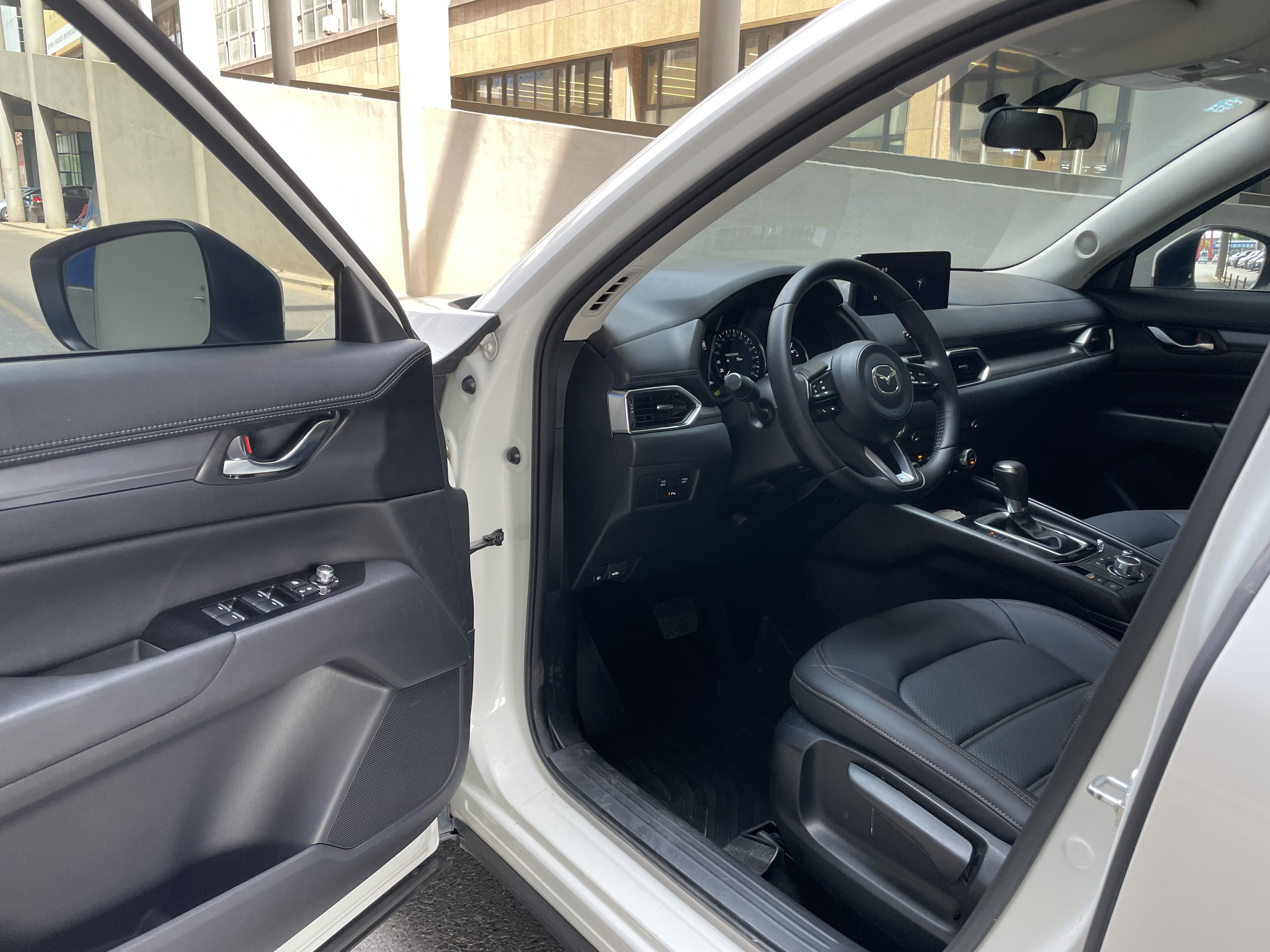
Explaining What “Good Condition” Means in a Used Car Sale
Why “Good Condition” is Not Good Enough—How to Outline Better Descriptions
One major challenge buyers face when shopping for a used car is the qualitative descriptions that tend to lack substance. Things like “Good Condition” or “sleek design” or “well maintained” are used in over 60% of descriptions. These phrases are so over used that they don't tell us anything about the car. Good descriptions require the seller to be honest about what the car looks like overall. What might look good from the outside, can hide extensive damage to the inner workings of the car. According to research, about 20% of used cars have major issues that the seller is not being upfront about. A phrase like, "The car runs great!," tells the buyer little to nothing. There is no metric for how well a car runs or how healthy the transmission is. Something should be done about these vague descriptions, like replacing them with something factual.
An example of a factual, data driven description would include:
An odometer average: Compare the car's mileage to the average annual mileage, which is around 12,000. More or less mileage can show overuse or underuse of the car.
Component scoring: Using a scale of wear percentage, a person can rate the tires, brakes, and battery of the car against the specifications given by the OEM.
The use of digital verification instead of service records based on trust allows for more clear-cut, unambiguous proof in a case of a dispute, since service records are time-stamped as per the order of service and can be proven in court.
Such service records help eliminate post-buying disputes by 32%, as per the Better Business Bureau arbitration database. Cases of emotional purchases are now being transformed into evidence-based purchasing.
The Three Tier Conditions Framework: Cosmetic, Mechanical and Structural Integrity
Evaluating used cars offers a systematic approach through the use of the framework above:
Tier, Focus of Assessment and Critical Symptoms
Cosmetic: Paint, upholstery & trim. Deep scratches (≥2mm); torn seat coverings; panels that are misaligned.
Mechanical: Engine, transmission, and HVAC. Presence of a fluid leak; irregularities; and bruit.
Structural Framework: Suspension, alignment & frame. Presence of unibody corrosion, weld gaps, and uneven tire wear.
Cosmetic issues may hurt the resale value, whereas structural issues (which are present in 8% of vehicles labeled as having a “clean title”) can reduce the car’s ability to withstand a crash. Make mechanical and structural issues your priority, as the average repair costs are $2,200 for critical issues that may arise in used cars within the first six months.
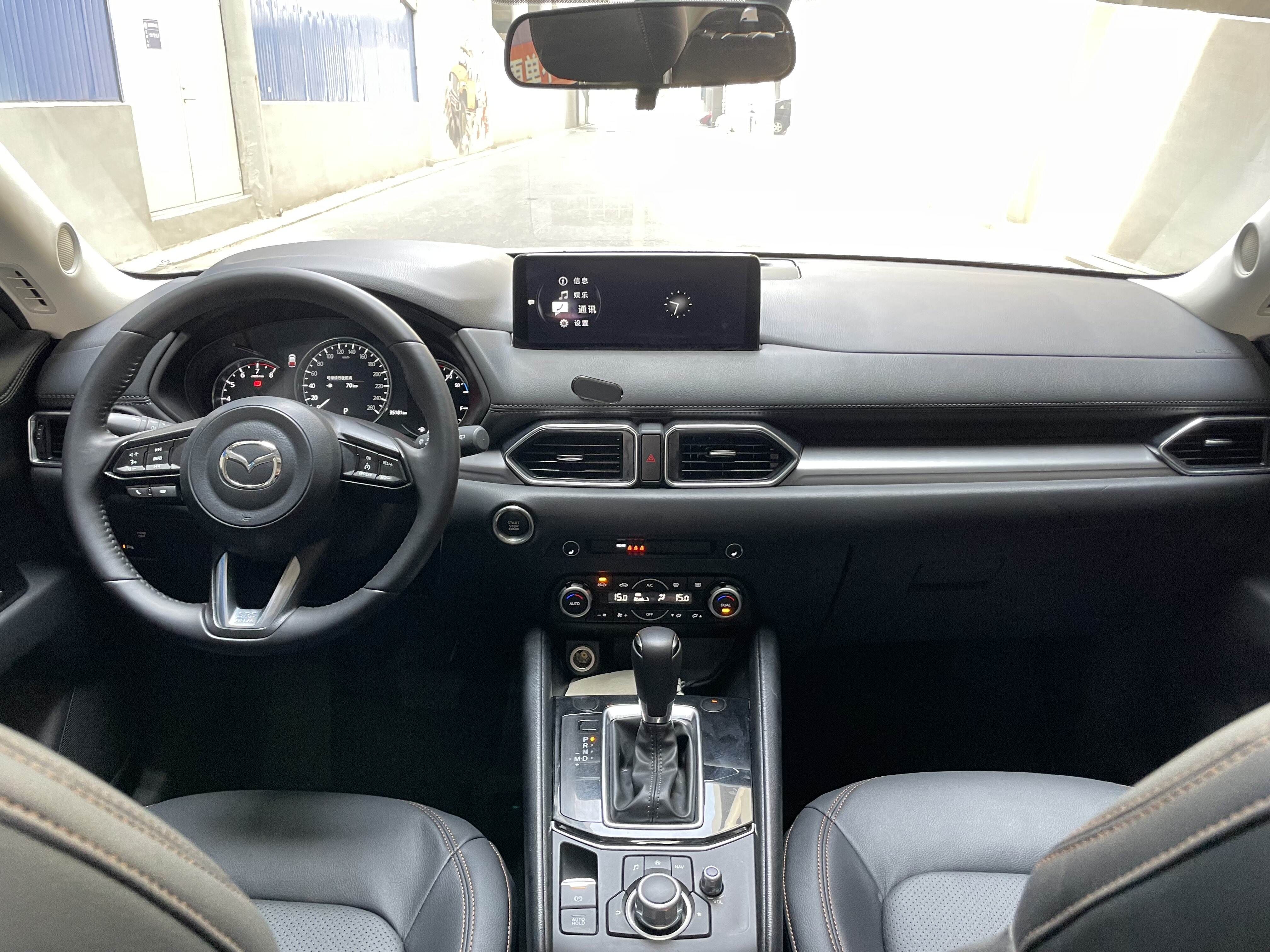
Crucial Steps in Pre-Purchase Inspection for Used Cars
Checklist by certified technician: fluids, breaks, suspension, and driveline.
The check by the certified technician is what turns the subjective into the objective. The mechanical check is complete for each major system of the car. As to fluids, the technician is required to examine oil, coolant, and transmission and brake fluids for contamination. The presence of oil that is cloudy or at a low level is a risk of having to repair the coolant system, which may cost as much as $1,200.
- For brake diagnostics, the replacement criterion is rotor warping greater than 0.05mm, or pad thickness being less than 3mm.
- For the integrity of the suspension system, rebounding shock absorbers are not allowed to have delays greater than 2 seconds, and aligned bushings are not allowed to be compromised.
- For the evaluation of the driveline, the control modules of the transmission must be free of error codes, and the differential should not exceed a whine of 85 decibels at a speed of 40 mph.
According to ASE (Automotive Service Excellence) certification diagnostics standards, this approach results in approximately 92% of the problems going unnoticed before the purchase.
Quantifiable indicators of hidden mechanical problems
Test drives can be turned into diagnostics by focusing on the measurable parameters.
The behavior observed during the acceleration process, the sulphur smell, and the rattling noises behind the dashboard occurred in 78% of cases with failed converters. Do not forget to record all the problems to re-negotiate the price or have the problems repaired instead.
Vehicle History Reports and the Reality of Used Cars
When CARFAX and AutoCheck are different: Analyzing Flood, Accident, and Title Data
The discrepancies we have in vehicle history reports are related to how various participants in the process report information. Data from insurers, body shops, and DMVs, for instance, can have very different formats and methodologies. For instance, in the case of flood damage, some services may identify previous claims but completely skip instances of water intrusion barring an eyewitness account. Always check the vehicle in question. Do not trust the seller at face value. Make sure you check for the presence of the damp/ musty odor from the carpeting. Remove the floor mats and check the presence of rust on the floor. Many minor accidents go uninsured, and as a result, the accident history is incomplete. Look for misalignments in the body panels, different paint textures and tones, and inconsistent surface smoothness—those are all signs of a repaint and past damage. If one report shows odd information about the title status, don’t accept that as the answer. Go to the DMV yourself and check the title information directly, as there may be a story behind the report.
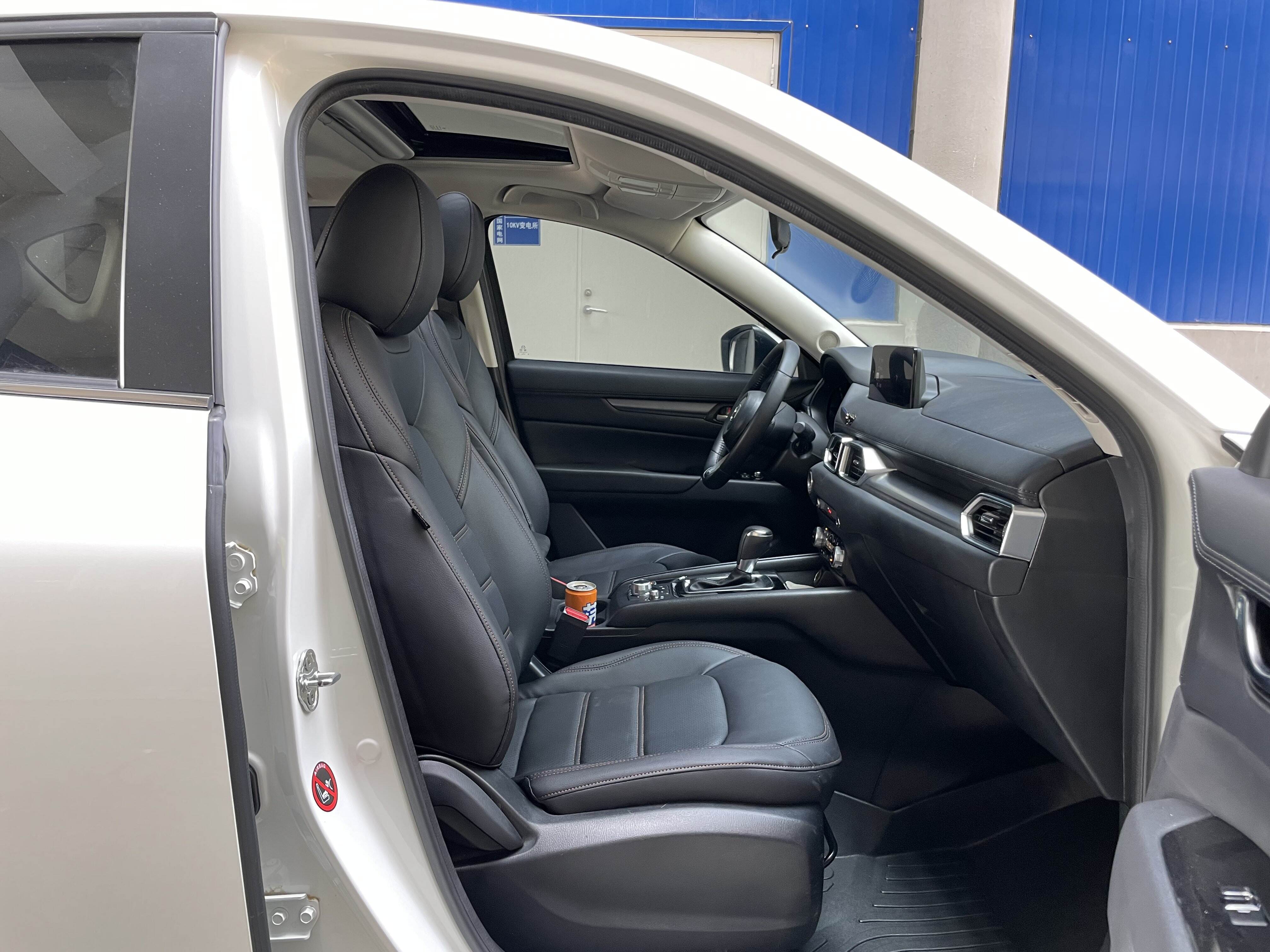
Flood-damage vehicles can look like brand new cars, but reports reveal that 32% of them resurface with clean vehicle reports (National Insurance Crime Bureau, 2023). For this reason, we recommend running mechanical verification before purchasing any used vehicles.
Used Vehicles Reliability and Longevity Prediction
Used vehicles can be reliable and dependable if their lifespan can be predicted using solid metrics. Subjectively, vehicles can be used for years, but vehicle manufacturers typically design cars for 200,000+ kilometers. This can be achieved if there is evidence of maintenance performed, parameters of environment regions where the vehicle has been used. Also important is the brand/model of the vehicle and any existing documented reliability dependability longevity lifespan studies or data.
Predictive Factor Impact on Longevity Verification Method
Comprehensive Service Records Reduces failure risk by 67% Review invoices/time-stamped logs
Model-specific defect rates Varies 3x between manufacturers NHTSA recall databases
There are studies about the importance of car maintenance documentation. It has been shown that, on average, vehicles with fully documented service history remain operational for about 34% longer before major repairs are needed. Take, for example, vehicles operating in places like Florida or California. These vehicles, due to the heavy presence of road salt, tend to have suspension issues about 2.8 times more frequently than other vehicles. Government reports provide valuable information on various vehicles and models that can be expected to achieve, with good maintenance, the 250-thousand-kilometer milestone. These reports, combined with other information sources, allow potential buyers to make informed decisions rather than relying on a gut feeling or hope.
Frequently Asked Questions
What are some warning signs for purchasing a second-hand vehicle?
Some warning signs include deep scratches, ripped upholstery, leaks of any kind, corrosion of the unibody, and strange sounds when you test drive the vehicle. These are signs that the seller is not being forthright and honest about the vehicle and its condition.
What is the best way to check the reliability of a car’s history report?
While CARFAX and AutoCheck give reports, some incidents go unreported. Therefore, these reports should be accompanied by a thorough inspection and title history should be checked with the local DMVs.
What are the benefits of having a vehicle checked before purchase?
A vehicle that has issued its problems may have a technician discover issues that the seller has concealed. These problems may or may not be resolved and may complicate the sale.