 EN
EN
Click to Enable
Background Introduction
In recent years, the scale of China’s used car market has been continuously expanding, making it one of the largest second-hand car trading markets globally. With the increasing demand from consumers for used cars, China’s used car export business is also gradually emerging. The Chinese government actively supports the development of the second-hand car industry, introducing a series of policies and measures to create a favorable environment and conditions for the export of used cars.
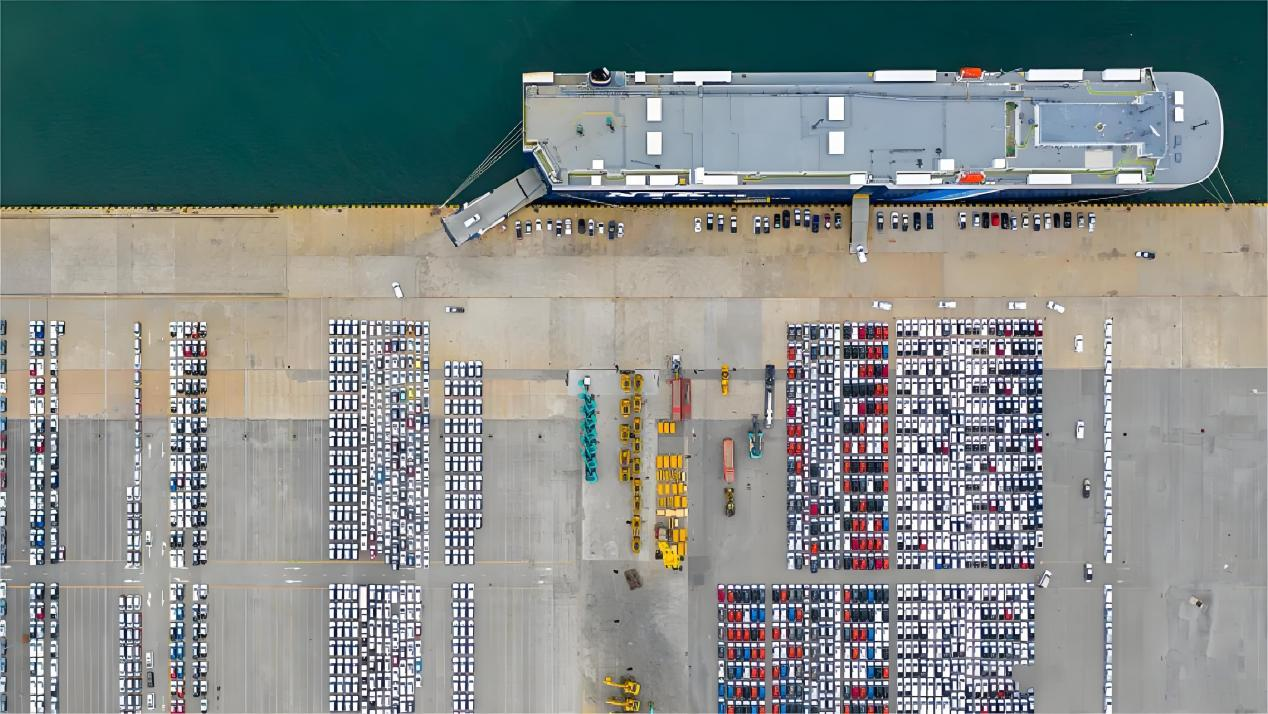
The export of used cars is an innovative business aimed at implementing the spirit of the Central Economic Work Conference, promoting high-quality development of foreign trade, stimulating the upgrading of Chinese automobile consumption, accelerating the mutual promotion of international dual cycles in the automobile industry, and promoting the healthy development of the Chinese automobile industry.
Used car export condition requirements
1.Vehicle Requirements
A used car refers to a vehicle that has been transferred and all ownership rights have been completed from the completion of registration procedures to reaching the national mandatory scrapping standards.
2.Vehicle Requirements: Export of used passenger cars, commercial vehicles, and trailers is permitted.
Passenger cars are defined as automobiles primarily designed and equipped for the transportation of passengers, their accompanying luggage, and temporary items, with a maximum of 9 seats including the driver’s seat. They may also tow a trailer.
Commercial vehicles are automobiles designed and equipped for the transportation of passengers and goods, and may also tow trailers. This category includes buses, semi-trailer trucks, and trucks.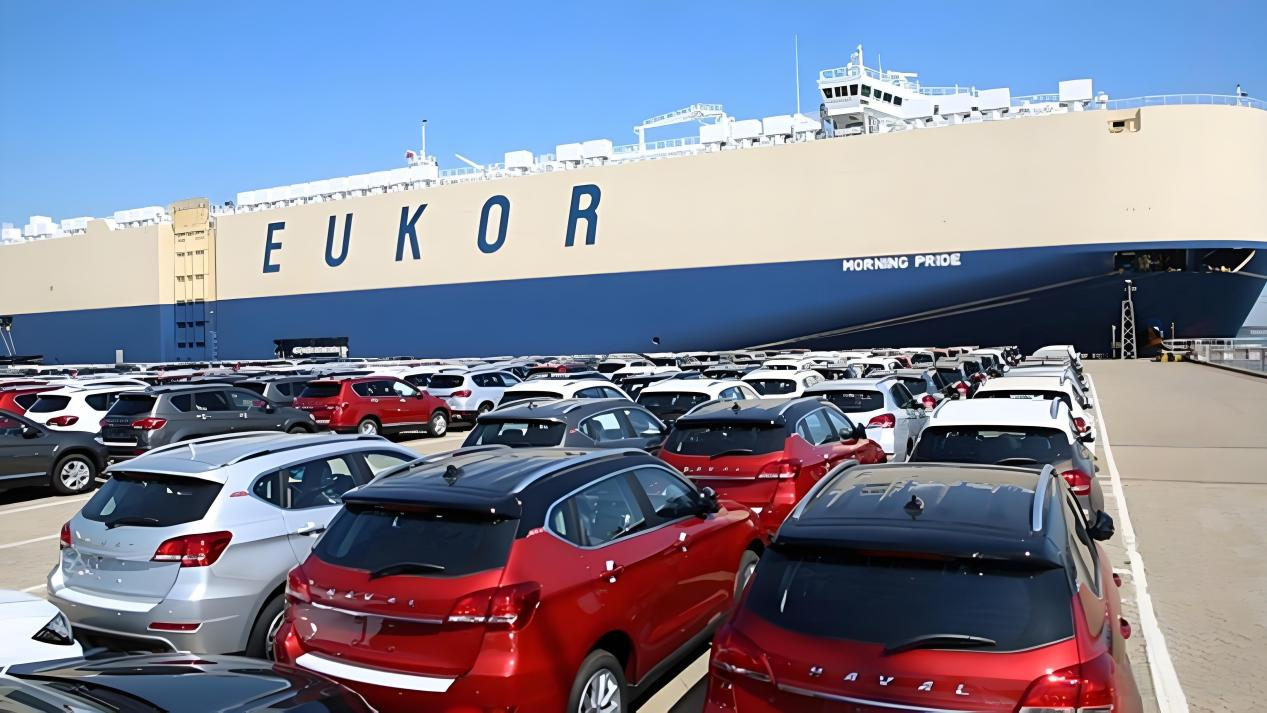
A trailer refers to a non-powered road vehicle designed and technologically dependent on being towed by a motor vehicle for normal operation. It is used for transporting passengers and goods, and can also be utilized for special purposes.
3.Requirements for Enterprises: Registration with the Ministry of Commerce
Enterprises exporting second-hand cars must possess good capabilities in integrating sources of second-hand cars, overseas market channels, after-sales service guarantee capabilities, credit records, etc. After being selected by the local competent authority and registered with the Ministry of Commerce, they can carry out the export business of used cars.
Customs clearance process
1.Used Car Acquisition
Export enterprises of used cars purchase vehicles domestically in accordance with the relevant requirements of the importing country, such as vehicle age, environmental standards, and safety technical conditions for motor vehicle operation, and complete the procedures for second-hand car transaction registration in accordance with the law.
2.Preparing and Inspecting Used Cars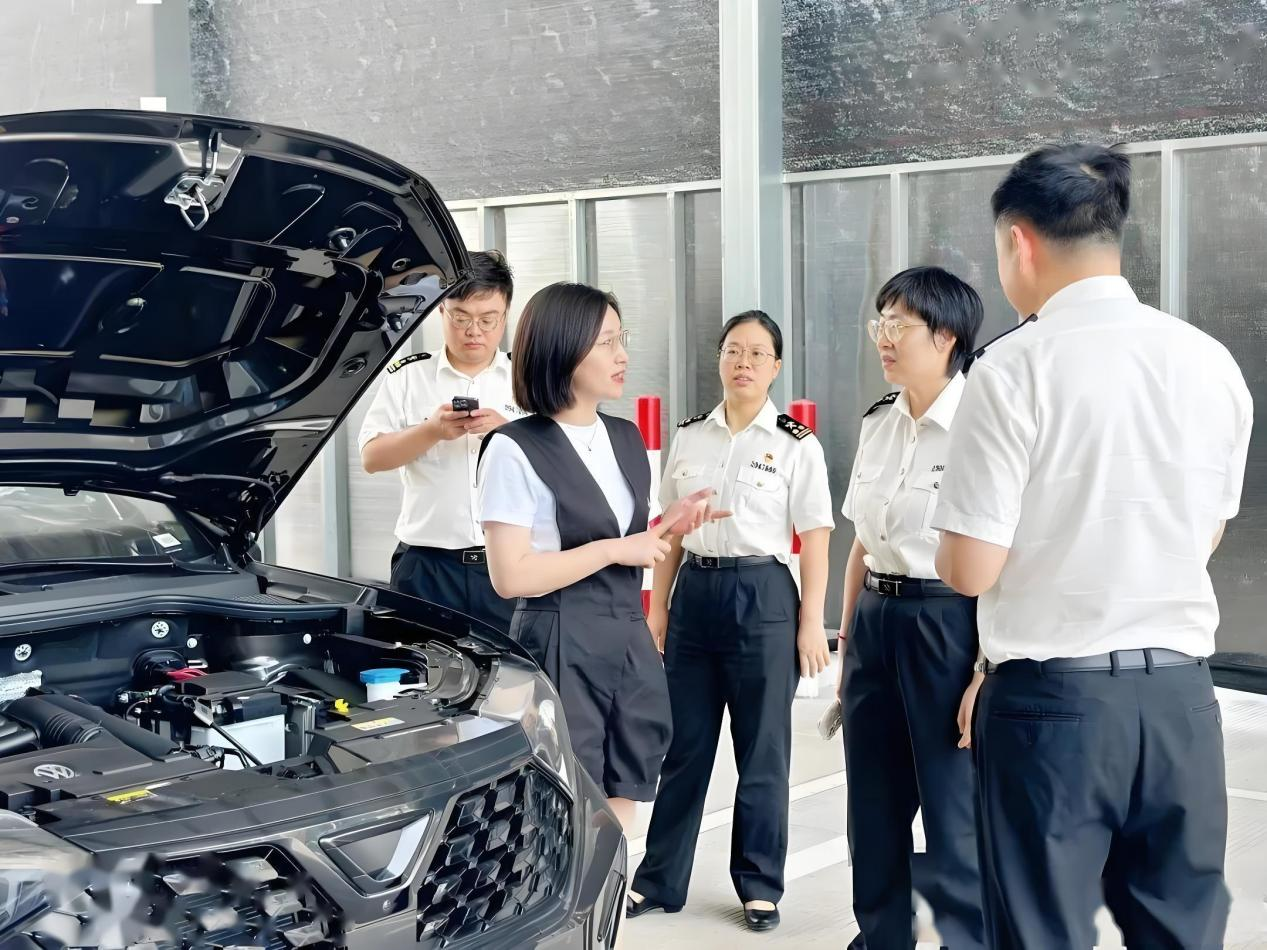
Exporting enterprises of used cars should refurbish acquired vehicles, including their exterior, interior, and safety components, to ensure they are in good condition. Used cars intended for export must meet the relevant inspection criteria and standards. They should undergo inspection by third-party vehicle testing organizations designated or recognized by the relevant authorities, and obtain a qualified inspection report.
3. Application for Export Permit
Exporting enterprises shall apply for an export permit from the provincial-level (including municipalities directly under the Central Government) competent commerce authorities in the local area, presenting materials such as trade contracts and inspection reports issued by third-party institutions confirming compliance. The VIN (Vehicle Identification Number) should be filled in the remarks column of the permit. For the export of used cars, enterprises must, in accordance with relevant regulations of the Ministry of Commerce, apply for an export permit from the commerce department with materials including trade contracts, appraisal reports confirming compliance issued by designated third-party institutions, and the “Vehicle Registration Certificate” of the intended export vehicles. A batch of goods corresponds to one permit, and exporting enterprises may apply for up to 20 used cars under the same commodity code item on the permit application form.
4. Customs Declaration and Acceptance of Orders
In regions where the integrated national customs clearance system is applicable for the export of used cars, customs can handle the declaration procedures for used car exports, and enterprises can independently choose the customs clearance location and exit port. Enterprises shall declare in accordance with the relevant regulations of customs declaration management, truthfully fill in the Vehicle Identification Number (VIN), and fill in the commodity name as “Used + Vehicle Brand + Displacement + Vehicle Type (such as SUV, sedan, etc.)”.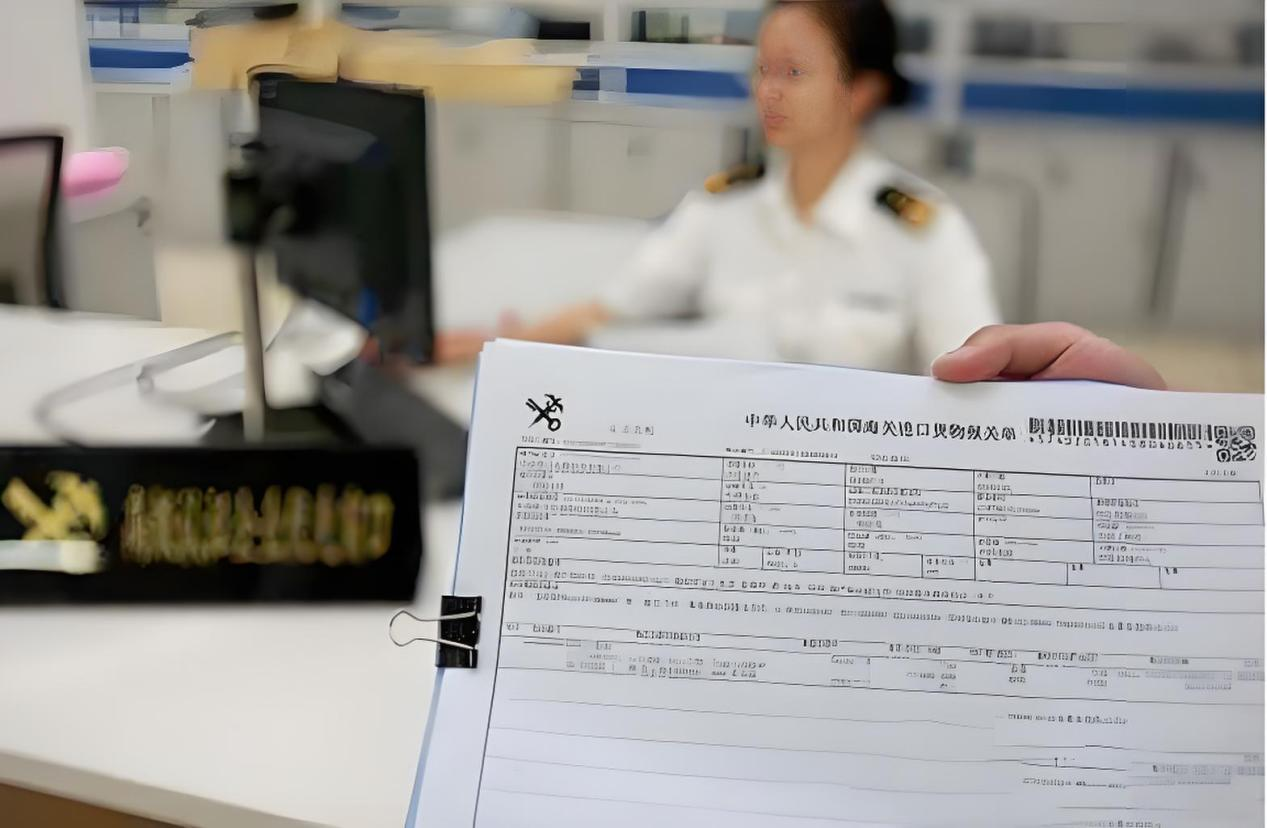
Companies can choose to apply for customs declaration and clearance procedures either in paper or paperless formats. Exporters opting for paperless procedures to handle customs declaration and clearance are exempt from submitting paper export permit certificates. Customs conducts online verification of export permits for used vehicles. If the verification meets the certification requirements, the electronic export permit will be annotated in the customs electronic system.
If paper export permit certificates need to be verified due to management requirements or other circumstances, companies should supplement the submission with paper certificates or handle customs declaration and clearance procedures in paper-based operations.
5. Complete vehicle deregistration registration
Within 2 months after completing the customs clearance procedures for exporting used vehicles, present the export declaration form and the legally required certificates to the public security traffic management department at the place of vehicle registration to apply for deregistration registration. Before applying for deregistration registration, any road traffic safety violations and traffic accidents involving the exported vehicles should be settled.
General steps and procedures
Vehicle Preparation: Ensure that the used vehicle is in good working condition and undergoes thorough cleaning and inspection to ensure it meets the export requirements of the target country or region.
Vehicle Ownership Documentation: Provide proof of vehicle ownership, typically in the form of vehicle registration certificates or documents in the name of the vehicle owner. These documents should be valid, clear copies.
Vehicle Registration Certificate: Provide the vehicle’s registration certificate or a copy of the vehicle registration proof to demonstrate the legal registration of the vehicle.
Vehicle Inspection and Report: Some countries require exported used cars to undergo inspections to ensure they meet standards in terms of technology and safety. You may need to provide a vehicle inspection report, or in some cases, the vehicle may need to be inspected at a designated institution.
Export Application: Submit an export application to the export department or agency in your country, in accordance with the laws and regulations of that country.
Customs Declaration: You will need to make an export declaration at the customs of the destination country, providing the necessary documents and information for customs approval of the export.
Export License: Depending on the regulations of the destination country, you may need to obtain an export license or other specific export documents.
Logistics Procedures: Depending on the mode of transportation, you need to select an appropriate logistics company or shipping method and collaborate with them to complete the necessary international transportation procedures.
Tariffs and Taxes: Understand the tariff and tax regulations of the destination country to ensure you are aware of and comply with the relevant requirements.
Vehicle History Records: In some cases, you may need to provide the vehicle’s history records, including maintenance records, accident history, etc.
Insurance: Consider providing adequate insurance for the vehicle during the transportation process to guard against any loss or damage.
Payment and Financial Procedures: Arrange payment for transportation and export expenses, which may require collaboration with banks and financial institutions.
Summarize
Before exporting used cars, used car companies and dealers importing used cars from China should consult local export departments, customs, or professional lawyers to ensure that you meet all relevant requirements and procedures.
Having the qualification for automobile export is crucial for Chinese automobile companies,this is enough to show their strength. It can provide them with broader development space and more opportunities, enhance their competitiveness and profitability, and propel the Chinese automotive industry towards a world-class level.