
 EN
EN
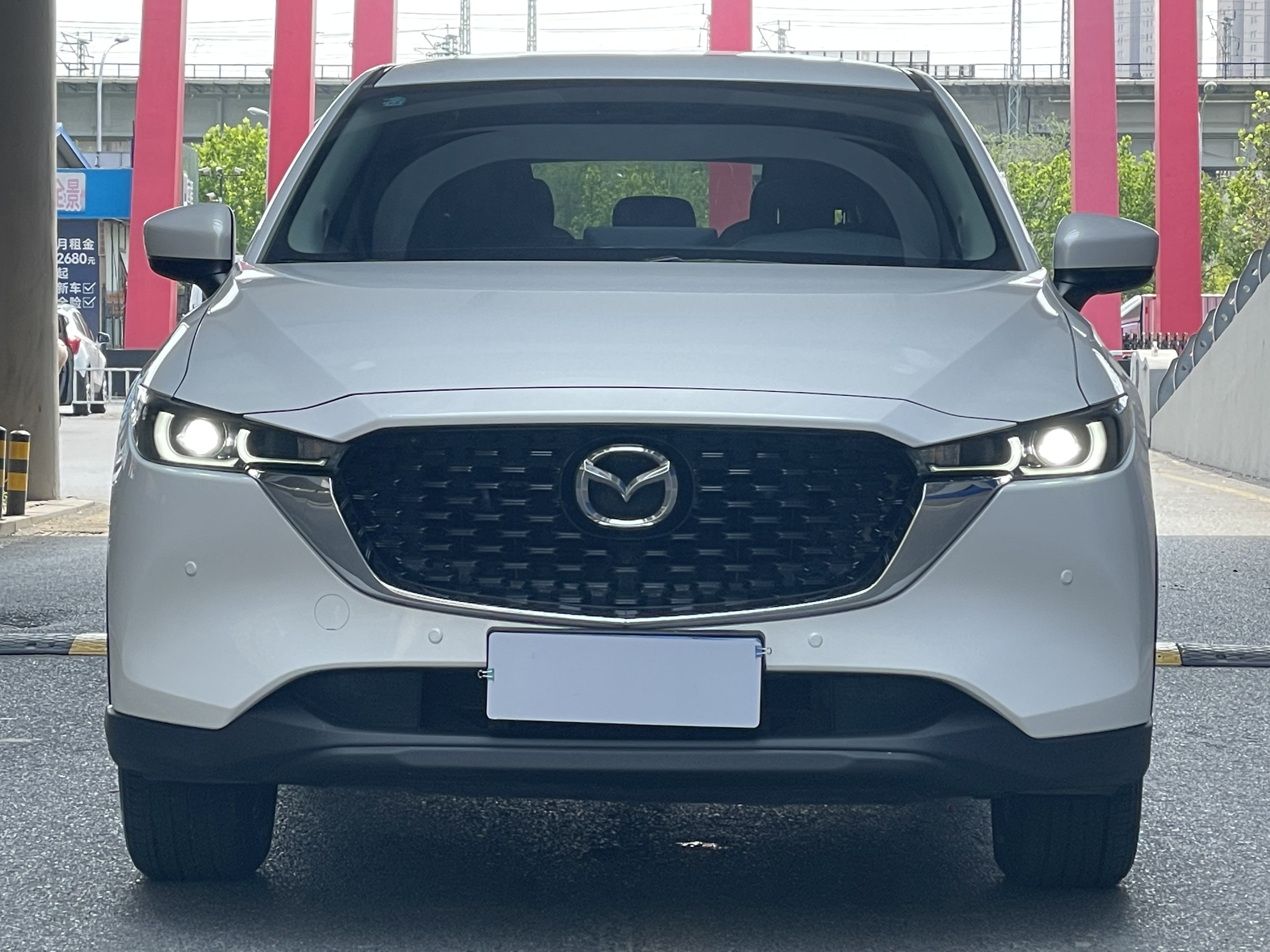
Volume Discounts on Sales of Used Cars in Bulk
Reasons for Discounts on Bulk Purchases
Dealers lower the unit price on bulk purchases of used cars to increase sales and lower the risk of inventory. A large order means the dealer's stock moves quickly, which reduces the costs associated with holding that stock, such as storage, depreciation, insurance, and the interest on the floor plan. That efficiency gives dealers the ability to offer scale of economics, with bulk buyers averaging 15–20% off the price of a car compared to a single unit purchase (Auto Industry Report 2023). This price reduction improves the relationship with the resellers and fleet managers and improves cash flow as well, as it reduces the capital tied up to reinvest and reduces the risk of exposure to market volatility.
Impact of Quicker Inventory Turnover and Fixed-Cost Spread
Bulk purchases lower the operational fixed costs of managing the lot and the administrative overhead associated with the purchase by spreading these costs over a larger number of cars, thus reducing the cost of each car. In addition, the quicker the car sales, the fewer costs the cars incur such as depreciation, financing costs, and insurance. The cost to the dealer for a car purchased is lower, thus allowing the dealer to maintain their margin and creating a resilience to bulk purchase even when market conditions are poor (Market Analysis 2023).
Recognizing Authentic Wholesale Value in Bulk Used Vehicle Transactions
Why Auction Data Provides Competitive Pricing Insights Compared To Appraisals
Conventional appraisal methods determine valuations using features like mileage, condition, or trim level, but ignore the underlying economic structure associated with the bulk purchase. Auction data, however, captures true volume discounts. National Auto Auction Association (2023) states that lots of 10+ vehicles sell for approximately 12–18% less than single unit transactions. Dealers are able to spread the costs of transportation, reconditioning, and inspection across multiple vehicles, as well as increase the turnover rate of their inventory. In this bulk purchase context, appraisal methods frequently overestimate bulk lots by $1,200–$2,800 per vehicle. Additionally, auction data captures the demand signals in the market (e.g., regional scarcity of SUVs, season surplus of sedans). This makes auction data the best proxy for true wholesale value.
Benchmarking Realistic Prices Based on Floor-Sale History
To determine value accurately, one must utilize real transaction data from comparable bulk sales rather than basing findings on hypothetical strategies. To assess fair market value, follow this three-step procedure:
1. Filter the sales data by vehicle profiles (model year ±1, mileage ±15k, similar condition grades)
2. Analyze 90-day time frames to mitigate season or cyclical effects.
3. Determine median prices per unit for comparable lot sizes.
Take, for example, a lot of 15 2022 Toyota Camrys sold for $14,200-$15,600 per unit in Q1 2024. This methodology reflects true dealer acquisition costs and reveals, as per industry audits, a substantial 9–14% overvaluation in third-party appraisal services. Moreover, recognizing patterns from auction sales aids buyers in their objective to not overpay for inventory that is older and more readily available on the market. Moreover, the analysis of floor-sale patterns clarifies make- and model-specific depreciation curves.
Understanding the Negotiation Power & Markup Strategies in Selling Bulk Used Cars
Do 'No-Haggle' Wholesale Platforms Remove Negotiation Power or Just Shift It?
Wholesale 'no haggle' platforms do not remove negotiation power; they simply change the focus of that power. With the same initial pricing offered to all buyers, negotiation power shifts from the transactional prices to strategic factors such as how many cars will they buy, what payment terms will they offer, and how flexible they will be in terms of delivery. Dealers buying 10+ cars often get 5-7% tiered discounts, which piecemeal purchases will not get.
The real negotiation hinges on three important factors:
Volume thresholds that allow value purchases
Logistics, where there is flexibility on pickup time and route consolidation to minimize seller holding costs.
Conditional terms that, for example, remove reconditioning re-quirements for as-is purchases.
According to a 2023 NADA survey, sellers stated that buyers are the most important factor in how quickly inventory is moved. Lots that have an average of 50+ cars a month close 22% quicker than those with lower average sales. Customers that have stale inventory are best to source buying quickly and are most likely to become high value to sellers. The ability to choose multiple lots gives the buyers high purchasing power through freight consolidation. The as-is closing sales terms were due to the seller friction being the lowest. In this setting, negotiation is most successful when initiation of the transaction is the focus, not where the salesperson is most persuasive.
Frequently Asked Questions:
What are the advantages of buying cars in bulk?
The most significant advantage of purchasing bulk used cars is the savings that can be achieved, potentially as much as 20%, through a combination of volume discounts and reduced costs associated with holding inventory.
What is the best way to use auction data when buying in bulk?
Bulk buying auction data can be used to establish a baseline for the true wholesale value of the transaction by capturing actual transaction prices and demand signals.
Do bulk deals impact fixed operational costs?
Yes. Because bulk deals allow fixed operational costs to be distributed over more units, the expenses per unit become lesser; as a result, there’s a significant savings for a period of one year.
What about ‘no-haggle’ platforms, how do they impact negotiation strategy?
In such platforms, negotiation is no longer directed towards price, but is oriented towards volume, logistics, and other parameters that present opportunities for bulk purchasing deals.