
 EN
EN
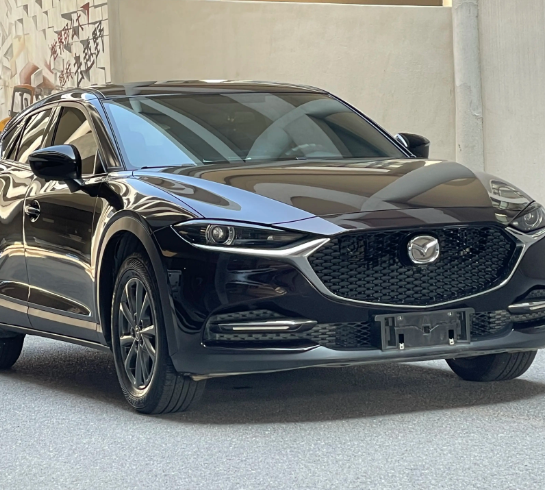
Decoding Wholesale Prices and Total Landed Cost for Used Cars from China
Deciphering EXW, FOB, and CIF for Your Business Imports of Used Cars from China
The price offers on used cars from China depend on the specific trade term used. The trade terms used are EXW (Ex Works), FOB (Free on Board), and CIF (Cost, Insurance & Freight). For EXW, the seller's obligations end at his or her factory, and everything after that is your responsibility (and your cost). For FOB, the seller is responsible for the inland haulage and the export clearance and delivers the car safely on board. CIF includes the ocean freight and the marine insurance, but the customs duty and destination taxes, and delivery to the destination are not included. Each of these terms changes the cost and the risk, so aligning the trade term with your logistics capability becomes crucial when determining the total landed cost.
Unquoted Costs: Freight, Import Duties, Taxes, and Port Handling Costs for Used Cars from China
The first offer is only a part of the total cost. The ocean freight for a regular (standard) 40-foot container is within the ranges of $800 and $1,500 for each car, and the freight depends on the market (and the route). Importation duty and VAT fluctuations are enormous and vary for each country; some countries apply an importation duty of 25% and a local value-added tax. Port clearing, customs brokerage, and inland haulage to your facility will add, at a minimum, $500 to $1,000 per vehicle. To account for possible inspection of vehicles and changes in the currency and the imposition of unregulated fees, you have to account for a range of 10% to 15% of the vehicle's declared cost. Accurately determining these aspects gives you a probable and profitable total cost of landed cost.
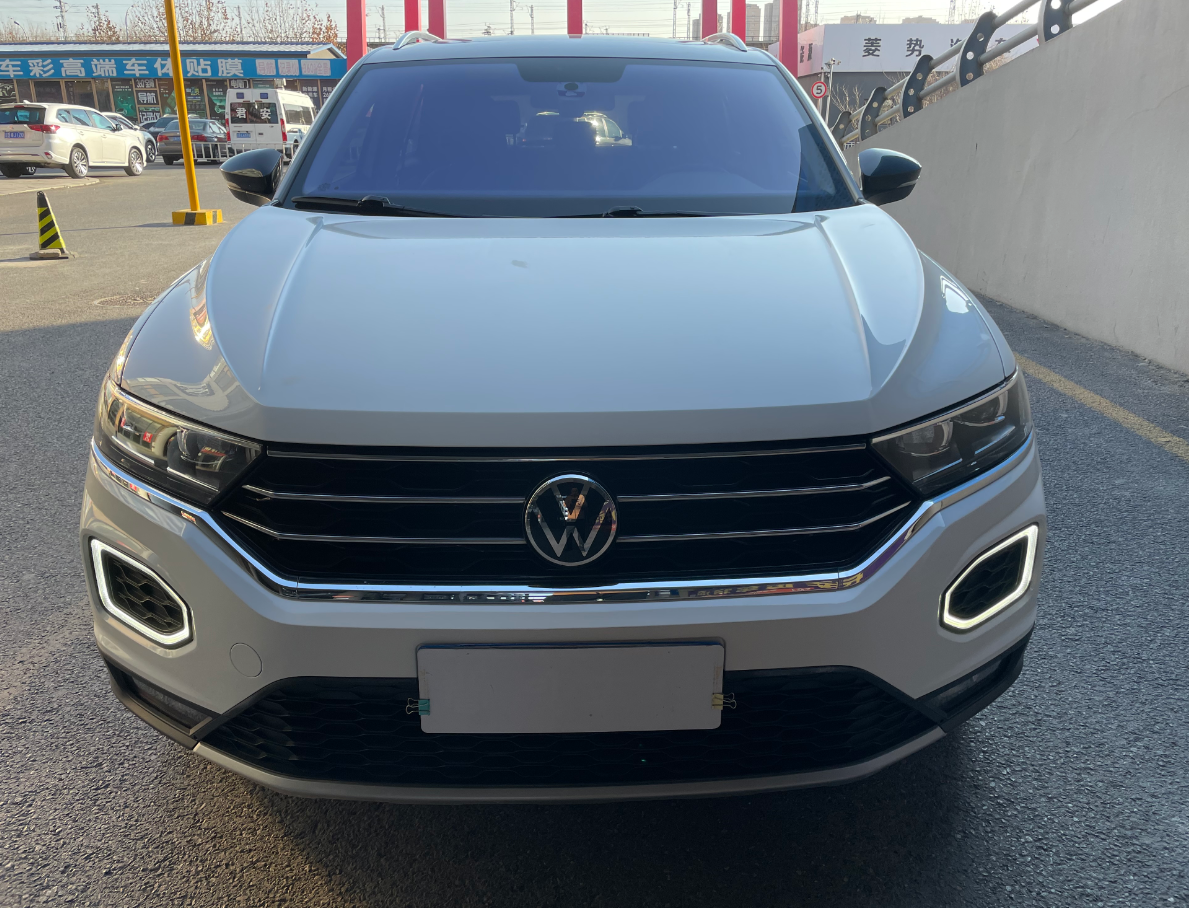
Trusted Export Partners for Sourcing Used Cars from China
Finding a reliable export partner lays the foundation for safe procurement of used cars from China. Invaluable vetting is the key to avoid costly errors.
Supplier Vetting: What You Want v. What You Don't - No Physical Address, No Access for Inspections v. Access to Export Link, Factory Connections, Confirmed Export Records
The starting point should be the supplier’s business license and their verifiable physical address. A vague, missing, or inconsistent address is a serious red flag. A refusal to provide access to inspection, or virtual walkthroughs of the supplier’s inventory, is a major red flag. Prices well below market value should be considered a serious risk of fraud or deception. Conversely, things like participation in the Used Vehicle Export Pilot Program, a China-based Factory/Distributor connection, or a history of documented export compliance should be considered as evidence supporting the supplier. Partnering with a supplier that operates this way is beneficial for ensuring and maintaining a high-quality, and consistent, offering that supports your market standing.
The Used Cars from China Export Supply Chain. Inventory Confirmed
Pre-Export Validation: Title, Inspection, and History (Based on VIN)
Used vehicles exported from China always carry a substantial risk until they’ve been validated. This process includes the following.
Title and Registration Verification: This process identifies the legal owner and validates that documents align with the China Ministry of Commerce's requirements and the import criteria of the destination country. The main reason for delays at customs is incomplete or inconsistent documents.
Compliance gaps at any step of the process can result in financial loss and damage reputation. However, each industry-standard check provides transparency needed for large scale purchases of used vehicles from China.
Understanding True Wholesale Pricing for Used Cars from China
Leveraging Volume, Payment Terms, and MOQ to Obtain Lower Pricing
The main goal to achieve genuine wholesale pricing is not just negotiating to lower what is obviously the list price, but negotiating strategically in the right areas. Wholesale pricing is achieved when the importer is willing to purchase large quantities. This grants the importer a discount of 15 to 20 percent. Because of the predictability of the order, a supplier has added operational efficiency. Offering to purchase with a larger, more immediate cash flow, such as a shorter net-30 or a purchase order with a high cash deposit, also increases the suppliers willingness to relieve margin. This coupled with a negotiation of a reduced Minimum Order Quantity achieves pricing that is not only sustainable, but also a lower cost to the importer.
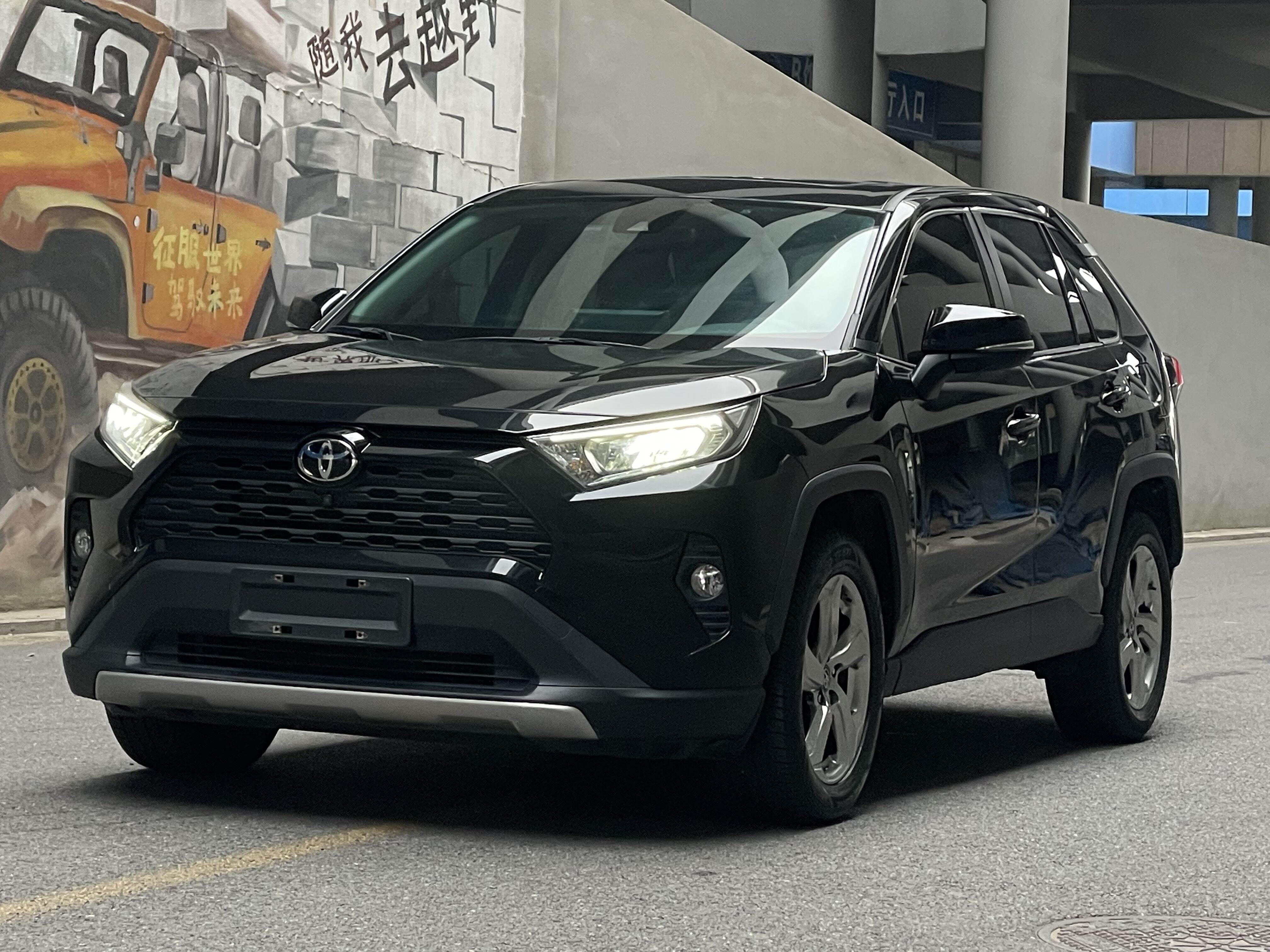
Accessing Bulk Sources: Chinese Auction Platforms, Dealer Consolidators, and OEM Surplus Channels
Our dedicated teams can access various bulk sources that provide intrinsic wholesale benefits. Major Chinese auction sites, including the China Auto Auction Network and Huaxin Auction, access fleet liquidations and surplus off-lease and government vehicles. Dealer consolidators provide cross-province inventory and offer mixed model procurement and remove inter-dealer markups. For near-new vehicles, OEM surplus provides program cars, executive fleets, and lightly used demonstrators. Capitalized pricing includes fixed wholesale or bid pricing, which eliminates negotiation time and provides benefits through real market liquidity.
FAQ
What are EXW, FOB and CIF terms?
EXW (Ex Works) means the buyer bears the risk and cost once the goods leave the seller's premises. FOB (Free on Board) includes the cost and risk of inland transport and export clearance, and CIF (Cost, Insurance & Freight) includes the cost and risk of ocean transport and insurance.
What are some of the hidden costs of importing used cars from China?
In addition to the costs of the cars themselves, you should take into account the costs of ocean freight, import duties and VAT, port handling and inland transport. You should also build in a cost contingency of 10-15%, to take into account unforeseen expenses.
How do I find trustworthy partners for exporting?
First consider suppliers included in China's Used Vehicle Export Pilot Program, and then check their business, factory and transport connections.
Why are pre-shipment checks important?
Risks of non-compliance and Financial losses can be avoided with greater transparency from the VIN-based history along with third party inspections and title verification.
What strategies can be utilized to get competitive wholesale prices?
Reduced prices are obtained with greater order volumes, better payment terms, and flexibility with Minimum Order Quantities.