
 EN
EN
Click to Enable
In recent years, significant changes in the global automotive trade landscape have created new opportunities for China’s used vehicle export industry. Supported by abundant vehicle resources, professional refurbishment systems, comprehensive inspection standards, and mature logistics networks, China has become one of the world's most important automotive export sources. Buyers from Russia, Central Asia, the Middle East, Africa, and South America are increasingly turning to China for reliable and cost-effective vehicle procurement solutions.
China’s automotive market has experienced rapid growth over the past decade, resulting in a large vehicle ownership base and a steady supply of high-quality used vehicles. Many of these vehicles feature relatively low mileage, excellent maintenance records, and modern configurations. These advantages make Chinese used vehicles highly attractive to international buyers seeking value and reliability.
Today, China's used vehicle exports cover a wide range of categories, including sedans, SUVs, MPVs, pickup trucks, and new energy vehicles. Whether customers are searching for urban commuter cars, family transportation solutions, or commercial vehicles, China offers diverse options to meet different market demands. SUVs, in particular, have become one of the most popular export categories due to their spacious interiors, versatile performance, and strong market demand worldwide.
As customer expectations continue to rise, vehicle inspection and certification have become increasingly important. Many Chinese exporters now implement comprehensive inspection procedures covering vehicle appearance, chassis condition, engine performance, transmission systems, and electronic components. Detailed inspection reports, maintenance histories, and high-definition vehicle videos are often provided to help international buyers make informed purchasing decisions with confidence.

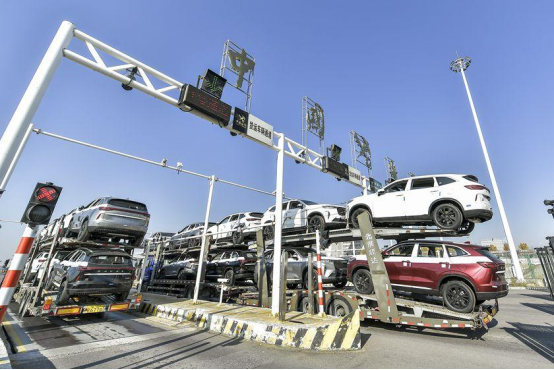
In addition to vehicle quality, logistics capabilities play a critical role in successful automotive exports. China has continued to invest in port infrastructure and transportation networks. Today, exporters can offer multiple shipping solutions, including roll-on/roll-off vessels, container transportation, and railway freight services. These options allow exporters to create customized logistics plans that reduce transportation costs and improve delivery efficiency for international clients.
China’s customer base continues to expand across multiple regions. Russia remains an important export destination, while demand from Central Asia, the Middle East, and Africa continues to grow steadily. As more international consumers become familiar with Chinese automotive brands, the global reputation of Chinese vehicles continues to improve.
Another major growth driver is the export of new energy vehicles. Governments around the world are actively promoting sustainable transportation solutions, creating strong demand for electric and hybrid vehicles. Chinese manufacturers have developed advanced battery technologies, intelligent vehicle systems, and highly competitive product offerings. As a result, Chinese new energy vehicles are gaining significant attention from international distributors and fleet operators.
Digital transformation is also reshaping the automotive export industry. More companies are building professional automotive websites and utilizing digital marketing channels to reach global customers. Through detailed vehicle listings, high-resolution images, video presentations, virtual tours, and remote inspection services, buyers can evaluate vehicles without visiting physical locations. This digital approach helps exporters expand their international reach while improving customer convenience.
At the same time, after-sales service is becoming a key competitive advantage. Many Chinese automotive exporters are strengthening spare parts supply systems and establishing partnerships with local service providers in overseas markets. Reliable after-sales support increases customer confidence and enhances the ownership experience, contributing to the long-term success of Chinese automotive brands internationally.
Looking ahead, the future of China's automotive export industry remains highly promising. Supported by a complete industrial ecosystem, continuous technological innovation, efficient logistics capabilities, and growing global recognition, Chinese automotive companies are well-positioned to expand their international presence further. As global demand for quality vehicles continues to rise, China is expected to play an increasingly important role in providing high-quality automotive products and professional export services to customers around the world.